
Trusted by 165+ Homeowners
Why Professional Biohazard Cleanup Is Essential?
- Over 166 5-Star Reviews
- Free Estimates and Quotes
- 100% Satisfaction Guaranteed
- Child, Family & Pet Safe Steps
- 24-Hour Emergency Service
- Fully Licensed & Insured

Professional biohazard cleanup is essential for safety and health. It ensures dangerous materials are removed correctly.
Ignoring professional biohazard remediation can lead to severe health risks and environmental contamination.
TL;DR:
- Biohazards pose serious health risks if not handled properly.
- Professionals have the training, equipment, and protective gear needed.
- They follow strict protocols for containment, cleaning, and disposal.
- DIY cleanup is dangerous and often ineffective.
- Professional services ensure your property is safe and compliant.
Why Professional Biohazard Cleanup Is Essential
Encountering a biohazard situation can be incredibly stressful. You might be dealing with a traumatic event or a sudden accident. In these moments, the thought of cleaning it up yourself might cross your mind. But when it comes to biohazards, professional intervention is not just recommended; it’s absolutely essential.
Understanding the Dangers of Biohazards
Biohazards are biological substances that pose a threat to human health. This can include blood, bodily fluids, sewage, and even certain types of mold. These materials can carry pathogens like bacteria, viruses, and parasites. Exposure can lead to serious infections and long-term health issues. Trying to clean these materials without proper knowledge and equipment is like playing a dangerous game of chance.
What Are Common Biohazard Scenarios?
Several situations can lead to biohazard contamination. These include:
- Traumatic accidents involving significant blood loss.
- Unattended death where decomposition has occurred.
- Sewage backups and flood damage.
- Hoarding situations with accumulated waste.
- Crime scenes with biological materials.
- Animal infestations and droppings.
Each of these scenarios presents unique challenges. They require specialized approaches to ensure complete remediation.
The Risks of DIY Biohazard Cleanup
You might think you can handle a small spill. But even a seemingly minor incident can have hidden dangers. Without the right protective gear, you risk direct exposure to harmful pathogens. Standard cleaning supplies are often not enough to neutralize these threats. You could end up spreading the contamination further, creating a larger problem.
Inadequate Protection and Equipment
Professional biohazard cleanup teams use specialized personal protective equipment (PPE). This includes respirators, gloves, and full-body suits. They also utilize industrial-grade disinfectants and cleaning agents. These are far more potent than anything you’d find at a local store. Using the wrong products can be ineffective or even create dangerous chemical reactions. This is a key part of understanding need professional biohazard.
Incomplete Removal and Lingering Threats
Even if you clean visible stains, microscopic contaminants can remain. These can continue to pose health risks for months or even years. Professionals are trained to identify and treat all affected areas. They ensure that no harmful residues are left behind. This attention to detail is crucial for your family’s well-being.
How Professionals Handle Biohazard Cleanup
So, what exactly makes professional biohazard cleanup so different? It’s a structured, science-based approach. Understanding professionals handle biohazard involves several key steps. They are designed for maximum safety and effectiveness.
Containment and Assessment
The first step is always containment. Professionals cordon off the affected area to prevent cross-contamination. They then conduct a thorough assessment to determine the full extent of the contamination. This allows them to plan the most effective cleanup strategy. It’s about isolating the problem before it spreads.
Advanced Cleaning and Disinfection Techniques
Professionals use specialized equipment. This includes ozone generators, foggers, and high-efficiency particulate air (HEPA) filters. They employ EPA-approved disinfectants. These are designed to kill a wide range of pathogens. The goal is not just to clean but to ensure the environment is truly sanitized.
Safe Disposal of Contaminated Materials
Proper disposal is a critical, often overlooked, aspect. Biohazardous waste must be handled according to strict regulations. Professionals transport and dispose of contaminated materials safely. They ensure compliance with all local, state, and federal laws. This prevents further environmental contamination and legal issues.
Understanding Clean Biohazard Incident Protocols
The entire process follows a strict protocol. This ensures that every step is taken carefully. Understanding clean biohazard incident procedures is vital for a successful outcome. It’s about methodical work, not guesswork.
Why You Need a Professional for Biohazard Jobs
The answer is simple: your safety and the health of your property. While the idea of saving money by doing it yourself is tempting, the risks are too high. Professional biohazard remediation is an investment in peace of mind.
Expertise and Experience
Biohazard cleanup professionals have extensive training. They understand the science behind different contaminants. They know how to deal with everything from bloodborne pathogens to chemical spills. Their experience means they can handle unexpected challenges. They can also provide guidance on insurance claims, such as when you need to understand what insurers usually require.
Access to Specialized Equipment and Chemicals
As mentioned, professionals have access to equipment and cleaning agents. These are not available to the general public. This specialized toolkit allows them to work more efficiently and effectively. They can tackle even the most challenging contamination scenarios. This is why understanding need professional biohazard is so important.
Compliance with Regulations
Handling biohazards involves navigating complex regulations. Professionals are up-to-date on all relevant laws. They ensure that cleanup and disposal are performed legally and responsibly. This protects you from potential fines and legal repercussions. They know how claim documentation helps when dealing with insurance.
When Drainage Systems Fail
Sometimes, biohazard situations arise from plumbing issues. A sewage backup is a prime example. When your drainage systems fail, it can quickly become a serious problem. This is especially true if the backup involves contaminated water. A proper sewage cleanup requires more than just mopping. It needs professional expertise to prevent long-term damage and health hazards. If your sump pump fails, you might be dealing with water damage and the potential for mold growth. This is why understanding why water keeps collecting is important, and why a battery backup for sump pumps is essential.
Mold Remediation and Water Damage
Sewage backups introduce harmful bacteria and viruses. They can also lead to significant water damage. If not dried and treated properly, this can result in mold growth. Mold can cause respiratory problems and damage your home’s structure. Professional restoration companies can handle both the water damage and the potential mold issues.
Checklist for a Biohazard Incident Response
If you suspect a biohazard situation, follow these steps:
- Ensure your safety first. Do not enter the contaminated area without proper protection.
- Isolate the area. Close doors and windows to prevent spreading contaminants.
- Contact professionals immediately. Do not wait to get help.
- Document everything. Take photos if it is safe to do so.
- Follow professional guidance. Let the experts handle the cleanup.
Conclusion
Dealing with a biohazard incident is a serious matter. It poses significant health risks and requires specialized knowledge. Attempting to clean it yourself can lead to further contamination and exposure. Professional biohazard cleanup services, like those provided by Quincy Restoration Pros, are equipped with the training, tools, and expertise to handle these situations safely and effectively. They ensure your property is restored to a safe, healthy condition, giving you peace of mind. For expert advice and prompt service, it’s always best to call a professional right away.
What are the main health risks associated with biohazards?
The main health risks include exposure to pathogens like bacteria, viruses, and parasites. These can cause a range of infections, from mild gastrointestinal issues to severe respiratory illnesses and bloodborne diseases. Long-term exposure can lead to chronic health problems.
Can I clean up biohazards myself if the spill is small?
While tempting, it’s strongly advised against. Even small spills can contain invisible contaminants. Standard household cleaners are often insufficient. Without proper PPE and knowledge, you risk exposure and spreading the hazard. It’s always better to err on the side of caution and act before it gets worse.
How long does professional biohazard cleanup take?
The duration varies greatly depending on the severity and type of contamination. Simple spills might take a few hours. Larger, more complex situations, like unattended deaths or extensive sewage backups, can take several days. Professionals will provide an estimated timeline after their initial assessment.
What kind of training do biohazard cleanup professionals have?
Professionals undergo extensive training in hazardous material handling, infection control, and proper use of PPE. They are trained in specific cleanup protocols for various biohazards, including bloodborne pathogens, chemical spills, and sewage contamination. They also learn about regulatory compliance for disposal.
What happens to the waste removed during biohazard cleanup?
Biohazardous waste is treated as regulated medical waste. It is carefully packaged, labeled, and transported by specialized companies. Disposal typically occurs at licensed facilities, often through incineration or autoclaving, to ensure all biological matter is destroyed safely and compliantly.
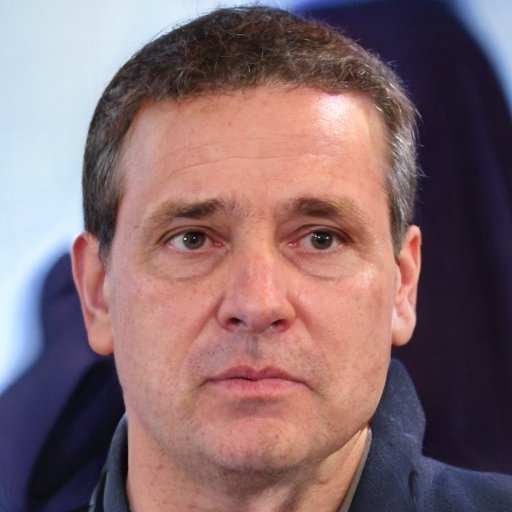
Troy Dyer is a licensed Damage Restoration Expert with over 20 years of hands-on experience in disaster recovery and structural mitigation. As a seasoned industry authority, Troy has dedicated two decades to mastering the technical complexities of environmental safety, providing property owners with the reliable expertise and steady leadership required to navigate high-stress property losses with absolute confidence.
𝗖𝗲𝗿𝘁𝗶𝗳𝗶𝗰𝗮𝘁𝗶𝗼𝗻𝘀: Troy holds elite IICRC credentials, including Water Damage Restoration (WRT), Applied Structural Drying (ASD), Mold Remediation (AMRT), Fire and Smoke Restoration (FSRT), and Odor Control (OCT).
𝗙𝗮𝘃𝗼𝗿𝗶𝘁𝗲 𝗣𝗮𝘀𝘁𝗶𝗺𝗲: When off-site, Troy is an avid saltwater fisherman and classic car enthusiast, hobbies that reflect the patience, precision, and dedication to restoration he brings to every project.
𝗕𝗲𝘀𝘁 𝗣𝗮𝗿𝘁 𝗼𝗳 𝘁𝗵𝗲 𝗷𝗼𝗯: He finds the most fulfillment in being the “calm after the storm,” helping families transition from the shock of damage to the relief of a fully restored home