AC Unit Water Removal in Quincy, MA
Trusted by 165+ Homeowners
- Over 166 5-Star Reviews
- Free Estimates and Quotes
- 100% Satisfaction Guaranteed
- Child, Family & Pet Safe Steps
- 24-Hour Emergency Service
- Fully Licensed & Insured
- Call
- We arrive
- Restored
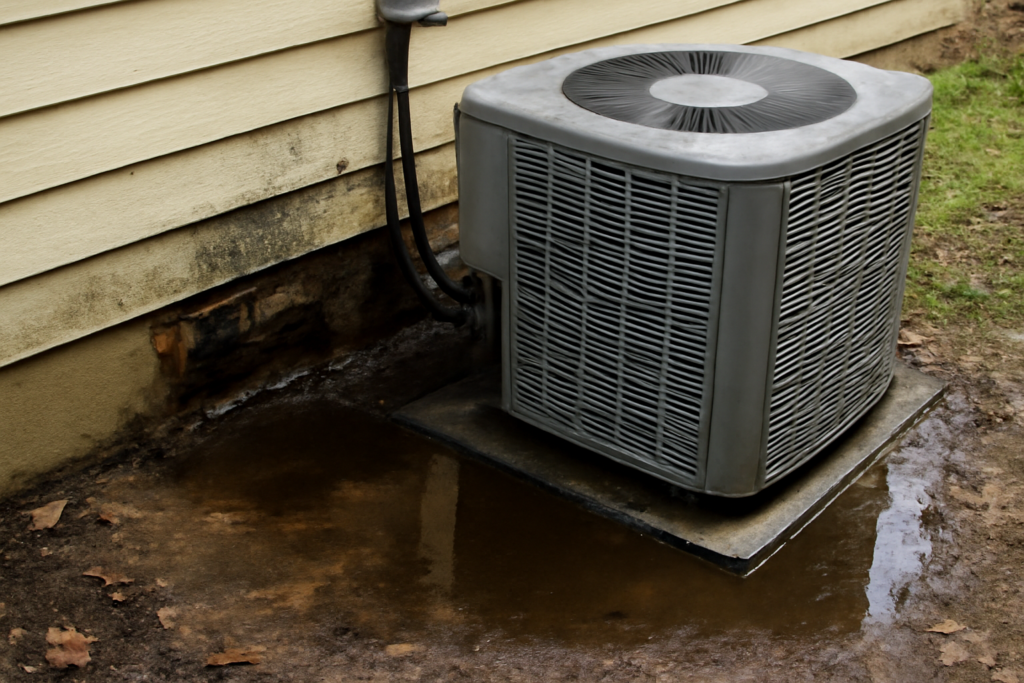
Don’t Let Standing Water Damage Your AC Unit in Quincy, MA
When your AC unit is flooded, every minute counts. Standing water can cause electrical shock, mold growth, and costly repairs. Don’t wait to act, our team is available 24/7 to respond quickly and effectively to your AC unit water removal needs in the area.
We’ve helped over 165 homeowners in Quincy, MA and surrounding areas restore their homes and properties after AC unit water damage. Our commitment to quality and customer satisfaction has earned us a reputation as the go-to team for AC unit water removal.
- We specialize in AC unit water removal, ensuring your property is safe and dry within 60 minutes.
- Our technicians use state-of-the-art equipment to extract water and prevent further damage.
- We provide a comprehensive inspection and assessment to identify hidden damage and prevent future problems.
How Our AC Unit Water Removal Process Works
Our team’s process for AC unit water removal involves a series of critical steps that ensure your property is restored to its original condition. We understand that every minute counts, which is why we focus on rapid response and efficient execution.
Step 1: Assessment and Inspection
Our technicians will assess the damage and identify the source of the water to prevent further leaks or flooding. We’ll also inspect for hidden damage, such as waterlogged walls or ceilings.
Step 2: Water Extraction
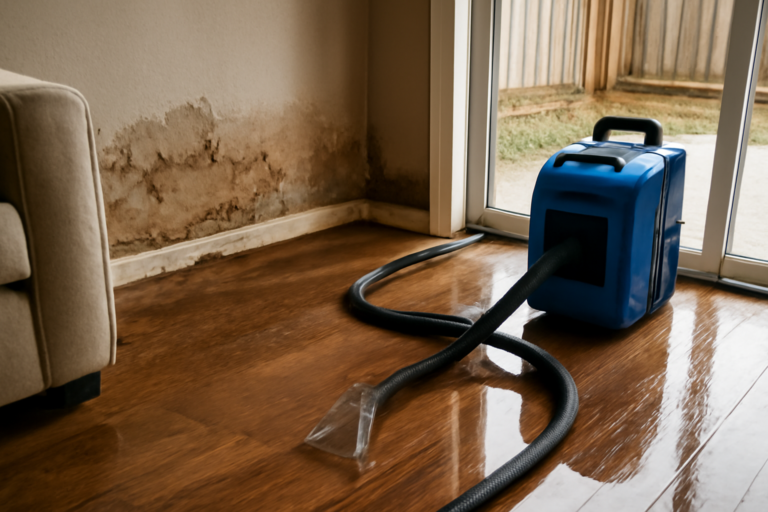
We’ll use industrial-grade pumps and vacuums to extract water from your AC unit and surrounding areas. Our equipment is designed to remove water quickly and efficiently, reducing further damage.
Step 3: Drying and Dehumidification
We’ll use specialized equipment to dry and dehumidify the affected areas, ensuring your property is safe and dry within 3-5 days.
Step 4: Cleaning and Sanitizing
Our technicians will clean and sanitize the affected areas to prevent mold growth and bacterial contamination.
Step 5: Restoration and Repairs
We’ll work with you to restore your property to its original condition, including any necessary repairs or replacements.
Don’t wait, call our team today to schedule an appointment and get your AC unit water removal started.
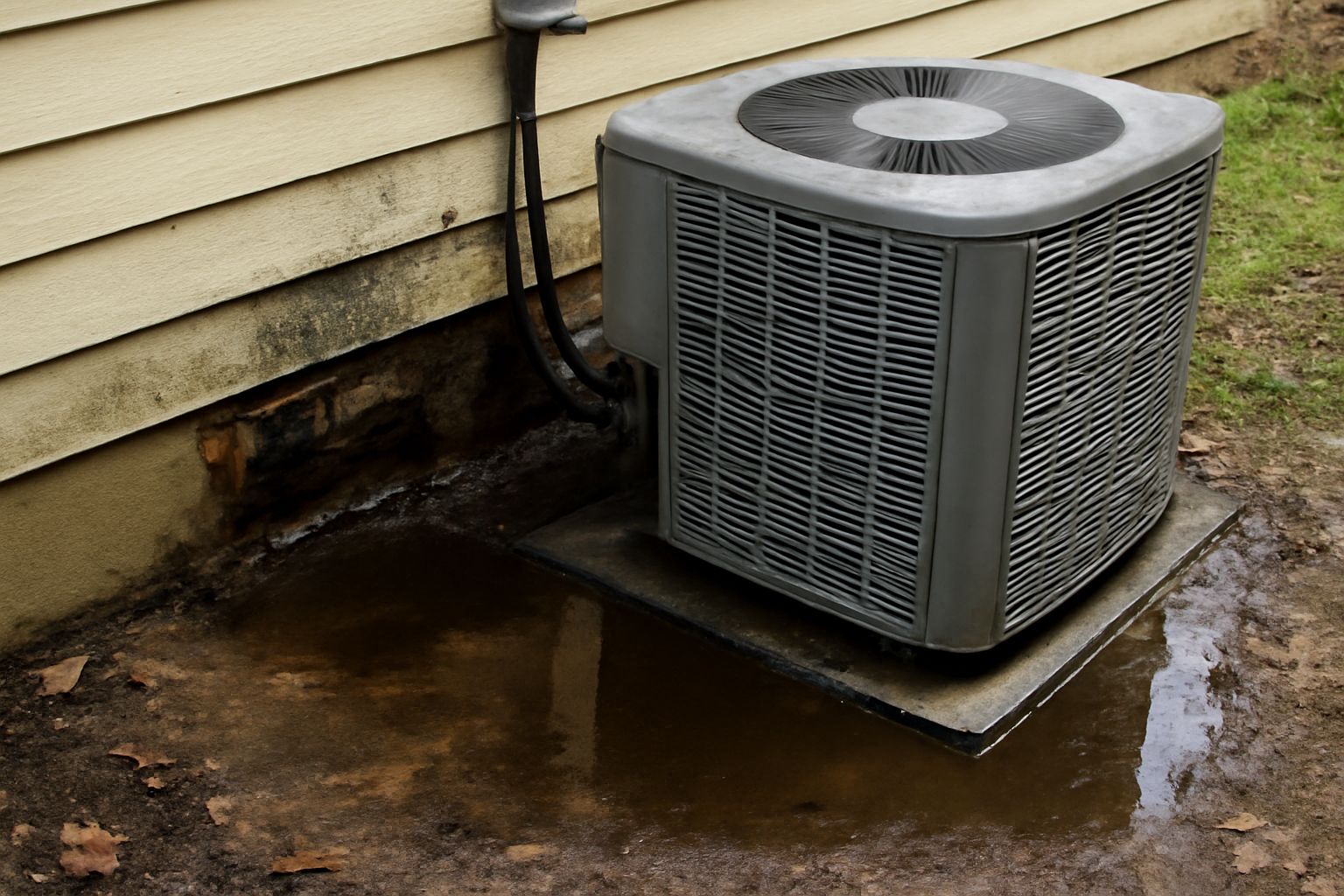
Warning Signs You Need AC Unit Water Removal
Don’t ignore these warning signs, they can lead to costly repairs and health hazards. Our team is available 24/7 to respond quickly and effectively to your AC unit water removal needs.
Musty Odors That Won’t Go Away
Strong, persistent odors can show mold growth or bacterial contamination. Don’t wait, call our team to inspect and address the issue.
Water Stains on Ceilings or Walls
Water stains can be a sign of hidden damage or leaks. Don’t ignore them, our team will inspect and address the issue to prevent further damage.
Electrical Issues or Short Circuits
Standing water can cause electrical shock or short circuits. Don’t wait, call our team to inspect and address the issue.
Mold Growth or Black Spots
Mold growth or black spots can show a more serious issue. Don’t ignore them, our team will inspect and address the issue to prevent further damage.
Water Damage on Flooring or Carpets
Water damage can cause costly repairs and health hazards. Don’t wait, call our team to inspect and address the issue.
Unusual Noises or Leaks
Unusual noises or leaks can show a more serious issue. Don’t ignore them, our team will inspect and address the issue to prevent further damage.
AC Unit Water Removal vs. DIY: When To Call a Professional
| Situation | DIY? | Call a Pro? | Why |
|---|---|---|---|
| Standing water over 1 inch deep | No | Yes | Extraction equipment is needed to prevent further damage. |
| Hidden damage or leaks | No | Yes | Our team has the expertise to detect and address hidden damage. |
| Electrical issues or short circuits | No | Yes | Our team has the equipment and expertise to safely address electrical issues. |
| Mold growth or black spots | No | Yes | Our team has the equipment and expertise to safely remove mold and prevent further growth. |
| Water damage on flooring or carpets | No | Yes | Our team has the equipment and expertise to safely remove water and prevent further damage. |
| Unusual noises or leaks | No | Yes | Our team has the expertise to detect and address the issue. |
Don’t take on AC unit water removal alone, call our team to schedule an appointment and get your property restored to its original condition.
AC Unit Water Removal Cost in Quincy, MA
The cost of AC unit water removal varies based on the severity of the damage, size of the affected area, and local conditions in the area. Our estimates are based on a thorough assessment of the damage and a customized plan to restore your property.
| Service | Typical Price Range | What Affects Cost |
|---|---|---|
| Water extraction and removal | $500 – $2,500 | Size of affected area, type of equipment needed |
| Drying and dehumidification | $1,000 – $5,000 | Size of affected area, type of equipment needed |
| Cleaning and sanitizing | $500 – $2,000 | Size of affected area, type of equipment needed |
| Restoration and repairs | $2,000 – $10,000 | Severity of damage, size of affected area |
| Electrical repairs or replacement | $1,000 – $5,000 | Severity of damage, type of equipment needed |
| Mold remediation | $1,000 – $5,000 | Severity of damage, size of affected area |
Exact pricing depends on an on-site assessment and a customized plan to restore your property. We offer free estimates and will work with you to create a plan that fits your budget and needs.
Service Areas Near Quincy, MA
We serve the following communities: Braintree, Brookline, Canton, Dedham, Dorchester, East Milton, Hingham, Holbrook, Milton, Needham, Randolph, Sharon, Stoughton, Walpole, West Roxbury, Weymouth, Wollaston.
Common Questions About AC Unit Water Removal
What causes AC unit water damage?
AC unit water damage can be caused by a variety of factors, including condensation, leaks, or flooding. Our team will inspect and assess the damage to find out the cause and create a customized plan to restore your property.
How long does AC unit water removal take?
The length of time it takes to complete AC unit water removal depends on the severity of the damage and the size of the affected area. Our team will work with you to create a customized plan and provide regular updates on the progress.
Is AC unit water removal covered by insurance?
AC unit water removal may be covered by insurance, depending on the cause of the damage and the type of policy you have. Our team will work with you to file a claim and ensure that you receive the coverage you deserve.
How do I prevent AC unit water damage?
Preventing AC unit water damage needs regular maintenance and inspections. Our team recommends checking your AC unit regularly for signs of damage or leaks and addressing any issues quickly.
What equipment does your team use for AC unit water removal?
We use industrial-grade pumps and vacuums to extract water and specialized equipment to dry and dehumidify the affected areas. Our team has the expertise and equipment to safely and effectively complete AC unit water removal.
Check Our Other Relevant Services
Serving Quincy, MA And Nearby Areas