Hull, MA · Plymouth County
Attic Water Extraction in Hull, MAAttic Moisture Inspection & Roof Leak Water Removal
Attic Water Extraction in Hull runs from attic leak water cleanup and attic drying services to ceiling water damage cleanup.
Answered 24/7
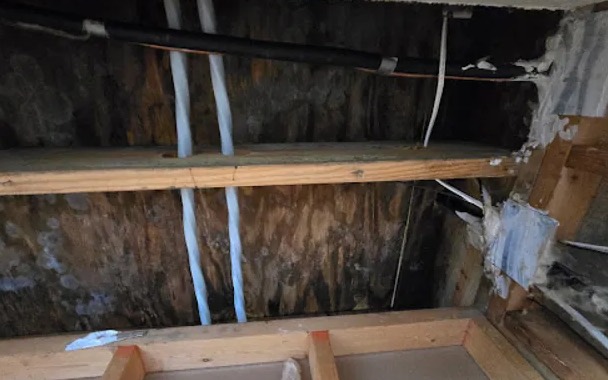
Professional Attic Water Extraction in Hull, MA
A slow attic leak in Hull can run for months without anyone noticing, rotting decking and staining rafters. A fast one can drop a ceiling in a day. Both need water removed and wood dried.
Homeowners in Hull can call (617) 404-2753 day or night when water is coming through the ceiling. Service also covers Hingham, Weymouth and Quincy, with the same extraction and drying steps.
Key Attic Water Extraction Steps in Hull, MA
Attic Moisture Inspection
The inspection maps where the water went from the leak point, which decides what is extracted, removed or dried in place.
Roof Leak Water Removal
Roof leaks often show up far from where they start. Moisture meters trace the water back along the decking to its entry point.
Attic Mold Prevention
Once wood is dry, roof decking and rafters that stayed wet can be treated with an antimicrobial to slow microbial growth.
Ceiling Water Damage Cleanup
Ceiling cleanup covers the room below: fallen drywall, wet insulation and debris are cleared, and the floor is protected.
Attic Leak Water Cleanup
Wet nails, straps and vent flanges are wiped down, and soaked boxes or stored items are moved out of the attic.
Symptoms Requiring Attic Water Extraction in Hull, MA
Increased Indoor Humidity
Upstairs rooms that feel humid or clammy may have moisture coming down from the attic.
Visible Mold in Attic
Dark spots on rafters or decking mean the wood has stayed damp for some time.
Damp Attic Insulation
Insulation that feels damp, looks matted or has dark patches has been soaking up water.
Musty Odors From Attic
A musty smell from the attic hatch or upstairs rooms often points to wet insulation or wood.
How Attic Water Extraction Works in Hull
Step 1: Emergency Water Extraction
Active drips are caught and pooled water is vacuumed from the decking and drywall tops right away.
Step 2: Wet Insulation Removal
Soaked insulation is bagged and removed so air can reach the wood and the ceiling drywall below.
Step 3: Attic Drying Process
Air movers and dehumidifiers are set on boards across the joists and run until readings drop.
Step 4: Final Moisture Inspection
Readings on decking, rafters and the ceiling confirm the attic is dry before new insulation goes in.
Frequent Sources of Attic Leaks in Hull
Condensation From Poor Ventilation
Warm, moist air from the house condenses on roof decking when the attic lacks ventilation.
HVAC System Condensate Overflow
AC air handlers in the attic overflow when the condensate line clogs or the pan cracks.
Aging or Deteriorated Roofing Materials
Old, curled or cracked shingles and worn underlayment let water through during heavy rain.
Plumbing Leaks in Attic
Supply lines and water heaters in the attic can leak or burst onto the ceiling below.
Both Residential and Commercial Attic Water Extraction in Hull, MA
Residential Attic Water Extraction
At home, attic water usually ends up on a bedroom or hallway ceiling. Water is extracted from above, wet insulation removed and the ceiling below dried or replaced.
Commercial Attic Water Extraction
In commercial buildings, water above a drop ceiling soaks tiles and insulation across several rooms. Wet tiles come down and the space above them is extracted and dried.
The Risks of DIY Attic Water Extraction in Hull
A fan in the bedroom below will not dry the attic. Wet wood and insulation need equipment in the attic itself and readings to confirm they are dry.
What Influences Attic Water Extraction Cost in Hull
Before quoting attic water extraction in Hull, the pros check the attic, the ceiling below and access to the space, then explain the work.
Type of Water Involved
Clean rainwater is simpler to remove than water from a drain line or a dirty source.
Access and Complexity
Low headroom, tight access hatches and narrow joists make the work slower.
Required Drying Time
Dense framing and decking can take several days to dry, adding equipment time.
Does Insurance Cover Attic Water Extraction?
Photograph the ceiling, attic and any roof damage before cleanup starts, and keep receipts for tarping and emergency extraction for your claim.
The Value of Local Pros for Attic Water Extraction
Wet Insulation Handling
Wet insulation is bagged and removed without spreading debris into the living space.
Dehumidification Plan
Dehumidifiers and air movers are placed for the attic's size and airflow, then adjusted daily.
Attic Drying
Framing, decking and the ceiling below are all dried, not just the spot under the leak.
Urgent Attic Water Extraction Available in Hull
Ceiling bulging with water? Keep people out of the room below it and call (617) 404-2753 now for attic water extraction in Hull.
Call Now (617) 404-2753Local Attic Water Extraction Areas Including Hull
Help with attic water extraction is also available in communities near Hull, including Hingham, Weymouth and Quincy, for roof leaks and attic equipment failures.
- Attic Water Extraction in Hingham
- Attic Water Extraction in Weymouth
- Attic Water Extraction in Quincy
- Attic Water Extraction in Braintree
- Attic Water Extraction in Milton
- Attic Water Extraction in Scituate
- Attic Water Extraction in Norwell
- Attic Water Extraction in Rockland
- Emergency Damage Restoration in 02045
- Storm Damage Restoration in 02045
- Water Damage Restoration in 02045
- Water Extraction Service in 02045
- Water Leak Detection in 02045
- Water Removal Service in 02045
Common Attic Water Extraction Questions Answered
Can wet attic insulation be saved?
Lightly damp areas sometimes dry, but soaked or matted insulation is usually removed and replaced after the attic is dry.
How quickly should I deal with water in my attic?
Right away. Water sitting on ceiling drywall can make it sag or fall within a day, and wet wood starts to break down.
Is microbial growth common after an attic leak?
It is more likely when wood and insulation stay wet for days. Fast extraction and drying lower that risk.
Why is wet insulation removal often necessary?
Soaked insulation stays wet for a long time, adds weight to the ceiling and loses its insulating value.
How long does the attic drying process take?
Often several days, depending on how wet the wood is, the attic temperature and how much insulation was removed.