Providence, RI · Providence County
Attic Water Removal in Providence, RIRoof Leak Water Removal & Emergency Attic Water Extraction
Get attic water removal in Providence for attic moisture inspection, attic leak water cleanup and attic mold prevention.
Answered 24/7
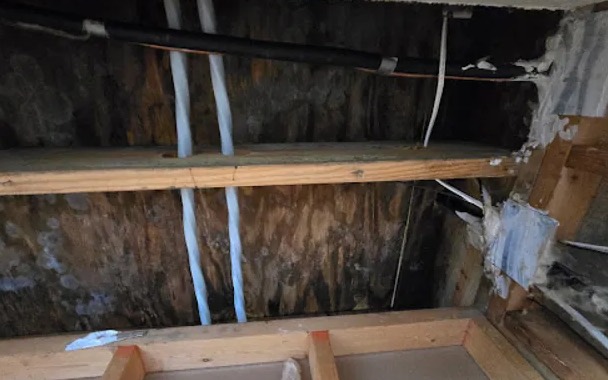
Attic Water Removal Services for Providence Homes
In Providence, the most common attic water sources are roof leaks, attic AC units and plumbing that runs through the attic. Each one needs to be stopped before drying can work.
Homeowners in Providence can call (617) 404-2753 day or night when water starts coming through the ceiling. Service also covers Cranston, Seekonk and Pawtucket, with the same inspection and drying steps.
Attic Water Removal Services in Providence
Roof Leak Water Removal
Rainwater from a roof leak is removed from the attic, and the wet path along the decking is followed back to where it entered.
Emergency Attic Water Extraction
When a storm or a burst pipe floods the attic, help is available any hour to remove the water before the ceiling below fails.
Attic Mold Prevention
After drying, wood that was wet for more than a day or two can be treated with an antimicrobial to slow microbial growth.
Attic Drying Services
Air movers and dehumidifiers are placed on boards across the joists so they can run safely without stressing the drywall.
Wet Attic Insulation Removal
Insulation that got soaked is removed from the wet bays and bagged. Leaving it in place keeps the ceiling drywall damp for weeks.
Signs of Attic Water Damage in Providence
Rotting Wood on Attic Beams
Soft, dark or crumbling wood on rafters and beams points to long-term moisture.
Sagging or Bubbling Ceiling Drywall
Ceiling drywall that sags, bulges or bubbles at the seams is holding water and may fall.
Water Stains on Ceiling
A brown ring or yellow patch on an upstairs ceiling usually means water is sitting on the drywall from the attic.
High Utility Bills Unexpectedly
Wet insulation loses its insulating value, so energy bills can rise after an attic leak.
How Attic Water Removal Works in Providence
Step 1: Initial Attic Water Damage Assessment
The pros check safety, find the source and map the wet area with moisture meters.
Step 2: Bulk Water and Material Removal
Pooled water, soaked insulation and any sagging drywall are removed from the attic and ceiling.
Step 3: Attic Drying and Evaporation
Warm, dry airflow is aimed at wet wood, with dehumidifiers removing the moisture it releases.
Step 4: Attic Mold Prevention
Once dry, decking and framing that stayed wet can be cleaned and treated with an antimicrobial.
Why Attics Develop Water Damage
Roof Leaks From Damaged Shingles
Cracked, missing or lifted shingles let rain reach the decking and drip into the attic.
Clogged or Disconnected Gutters
Clogged or loose gutters let water back up under the roof edge and into the soffits.
Storm Damage From High Winds or Hail
High winds and hail can damage shingles and open the roof to rain during a storm.
Condensation From Poor Attic Ventilation
Moist air from the house condenses on roof decking when attic ventilation is poor.
Home and Business Attic Water Removal Solutions
Residential Attic Water Removal
In two-story homes, attic water can run down inside walls to the floor below. Walls under the leak are checked with a meter and dried if needed.
Commercial Attic Water Removal
Flat-roof buildings often have water that travels far before it drips. The path above the ceiling is traced so every wet section is found.
Attic Water Removal vs. DIY: When to Call the Pros
A fan in the room below does little for wet attic wood. Drying the attic takes equipment up there and readings to confirm it is dry.
Estimating Attic Water Removal Expenses in Providence
An attic leak handled the same day in Providence usually costs less than one left until the ceiling sags and has to be torn out.
Secondary Damage Repairs
Ceiling drywall replacement and paint in the room below add to the total.
Mold Prevention Measures
Antimicrobial treatment of wood that stayed wet is an added step, priced by area.
Emergency Service Timing
Storm, night and holiday calls can cost more than a scheduled visit.
Does Insurance Cover Attic Water Removal?
Insurers often ask what caused the leak and how long it ran. Notes on the entry point and roof condition help answer those questions.
Benefits of Local Pros for Attic Water Removal
Post-Cleanup Verification
Final readings confirm the attic is dry before new insulation goes in.
Advanced Moisture Detection
Moisture meters and thermal cameras find wet wood and insulation that look dry.
Industry Drying Standards
Drying follows industry water damage standards, with moisture readings taken at every visit.
Round-the-Clock Attic Water Removal for Providence
Water in an attic reaches the ceiling below fast. Call (617) 404-2753 for attic water removal in Providence at any hour, including storms and holidays.
Call Now (617) 404-2753Local Attic Water Removal Coverage Area
Besides Providence, local attic water removal pros remove attic water, wet insulation and soaked ceiling drywall in nearby Cranston, Seekonk and Pawtucket.
- Attic Water Removal in Cranston
- Attic Water Removal in Seekonk
- Attic Water Removal in Pawtucket
- Attic Water Removal in Warwick
- Attic Water Removal in Cumberland
- Attic Water Removal in Attleboro
- Attic Water Removal in Woonsocket
- Attic Water Removal in Swansea
- Emergency Damage Restoration in 02901
- Storm Damage Restoration in 02901
- Water Damage Restoration in 02901
- Water Extraction Service in 02901
- Water Leak Detection in 02901
- Water Removal Service in 02901
- Emergency Damage Restoration in 02902
- Storm Damage Restoration in 02902
Attic Water Removal FAQs
What equipment is used for attic water extraction?
Wet vacs, pumps, air movers, dehumidifiers, moisture meters and thermal cameras, plus vacuums for wet insulation.
What does water damaged attic restoration include after drying?
New insulation, any decking or framing repairs, and ceiling drywall replacement and paint in the room below.
What is an attic moisture inspection?
A check of rafters, decking, insulation and the ceiling below with moisture meters and thermal cameras to find all wet areas.
Can wet attic insulation be saved?
Lightly damp areas sometimes dry, but soaked or matted insulation is usually removed and replaced after the attic dries.
What is involved in attic water removal?
Stopping the source, removing pooled water, bagging wet insulation, drying the framing and decking, and checking the ceiling below.