Reading, MA · Middlesex County
Attic Water Removal in Reading, MAAttic Drying Services & Attic Moisture Inspection
Homeowners in Reading get Attic Water Removal for emergency attic water extraction, attic moisture inspection and attic drying services.
Answered 24/7
Attic Water Removal Services for Reading Homes
A ceiling stain in a Reading home is usually the last sign of an attic leak, not the first. By the time it shows, insulation and decking above may already be wet across a wide area.
In Reading, Wakefield, Stoneham and Woburn, many attic leaks go unnoticed until the ceiling stains. The pros get the water and wet insulation out before the ceiling has to be replaced.
Detailed Attic Water Removal Solutions
Attic Drying Services
Drying continues until rafters, decking and ceiling drywall reach normal moisture readings, which is often several days.
Attic Moisture Inspection
Moisture meters and thermal cameras check rafters, decking, insulation and the ceiling below, even in spots that look dry.
Attic Mold Prevention
Ventilation problems, such as blocked soffit vents or a bath fan venting into the attic, are pointed out so the attic does not stay damp.
Wet Attic Insulation Removal
Fiberglass batts are lifted out by hand, while wet blown-in insulation is vacuumed with a high-powered insulation vacuum.
Ceiling Water Damage Cleanup
Fallen drywall, wet insulation and debris in the room below are cleaned up, and floors and furniture are protected during the work.
Symptoms Requiring Attic Water Removal in Reading
Sagging or Bubbling Ceiling Drywall
Ceiling drywall that sags, bulges or bubbles at the seams is holding water and may fall.
Visible Mold in Attic Spaces
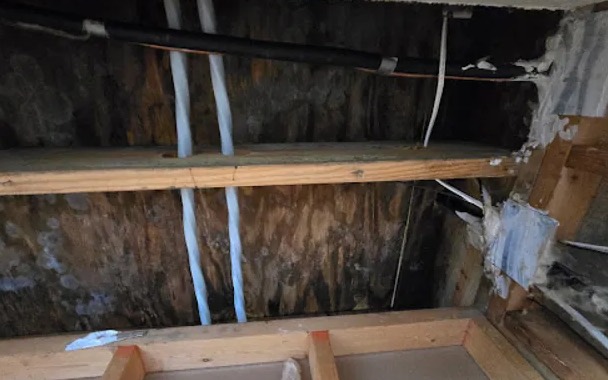
Dark spots on rafters or roof decking mean the wood has stayed damp for days or longer.
Water Stains on Ceiling
A brown ring or yellow patch on an upstairs ceiling usually means water is sitting on the drywall from the attic.
Peeling Paint on Ceilings or Walls
Paint that peels or blisters on upstairs ceilings and walls often has water behind it.
How Attic Water Removal Works in Reading
Step 1: Attic Flood Cleanup Response
Active drips are contained with buckets and plastic, and the room below is protected.
Step 2: Targeted Attic Moisture Removal
Water is vacuumed from between joists and on top of drywall, starting where it is deepest.
Step 3: Attic Dehumidification
Dehumidifiers pull moisture from the attic air while air movers dry the wet framing.
Step 4: Documentation for Restoration
Photos and moisture readings are compiled to show what was removed and when the attic dried.
Leading Origins of Attic Water Damage
Storm Damage From High Winds or Hail
High winds and hail can damage shingles and open the roof to rain during a storm.
Flashing Failures Around Roof Penetrations
Failed flashing around vents, chimneys and skylights lets rain run into the attic.
Condensation From Poor Attic Ventilation
Moist air from the house condenses on roof decking when attic ventilation is poor.
Roof Leaks From Damaged Shingles
Cracked, missing or lifted shingles let rain reach the decking and drip into the attic.
Attic Water Removal for All Property Types in Reading
Residential Attic Water Removal
In houses, attic water usually reaches a bedroom or hallway ceiling. Water and wet insulation are removed from above, and the ceiling below is dried or replaced.
Commercial Attic Water Removal
In commercial buildings, water above a drop ceiling soaks tiles and insulation over several rooms. Wet tiles are removed and the plenum space above is dried.
Professional Attic Water Removal Compared to DIY
Catching drips with a bucket and moving furniture out of the way is a smart first step. Call local attic drying specialists if water is pooling in the attic, the ceiling is stained or sagging, or insulation is wet.
What Affects Attic Water Removal Cost in Reading
In Reading, the biggest costs in attic jobs are usually insulation removal, drying equipment days and ceiling repair in the room below.
Secondary Damage Repairs
Ceiling drywall replacement and paint in the room below add to the total.
Extent of Water Damage
A leak confined to one bay costs less than water spread across the attic and the rooms below.
Drying Time Required
Dense wood framing can take several days to dry, which adds equipment time.
Does Insurance Cover Attic Water Removal?
Many homeowner policies cover sudden attic leaks from storms or burst pipes, but not damage from worn roofing or slow leaks. Read your policy and call your insurer early.
Benefits of Local Pros for Attic Water Removal
Post-Cleanup Verification
Final readings confirm the attic is dry before new insulation goes in.
Dehumidification Equipment
Dehumidifiers sized for the attic remove moisture much faster than roof vents and open hatches alone.
Controlled Demolition Practices
Only wet insulation and drywall are removed, which keeps the repair as small as possible.
24-Hour Emergency Attic Water Removal Near Reading
Ceiling sagging under the weight of water? Keep people out of the room below and call (617) 404-2753 now for attic water removal in Reading.
Call Now (617) 404-2753Nearby Towns for Attic Water Removal from Reading
Nearby areas served for attic water removal include Wakefield, Stoneham and Woburn, with the same water removal and drying steps used in Reading.
- Attic Water Removal in Wakefield
- Attic Water Removal in Stoneham
- Attic Water Removal in Woburn
- Attic Water Removal in Burlington
- Attic Water Removal in Melrose
- Attic Water Removal in Winchester
- Attic Water Removal in Saugus
- Attic Water Removal in Malden
- Emergency Damage Restoration in 01864
- Storm Damage Restoration in 01864
- Water Damage Restoration in 01864
- Water Extraction Service in 01864
- Water Leak Detection in 01864
- Water Removal Service in 01864
- Emergency Damage Restoration in 01867
- Storm Damage Restoration in 01867
Attic Water Removal FAQs
How do professionals dry an attic?
With air movers and dehumidifiers placed on boards across the joists, checking moisture readings daily until the wood is dry.
Will attic water damage cause mold?
It can if wood and insulation stay wet for days. Fast removal and drying are the main ways to prevent mold.
What causes attic water damage?
Roof leaks, plumbing failures, attic AC overflows, water heater leaks, loose bath fan ducts and poor ventilation.
How long does attic drying take?
Often several days, depending on how wet the wood is, the attic temperature and how much insulation was removed.
Can I remove attic water myself?
Only small amounts that are easy to reach safely. Pooled water and soaked insulation need safe footing and drying equipment.