Wrentham, MA · Norfolk County
Attic Water Removal in Wrentham, MAAttic Moisture Inspection & Attic Drying Services
Attic Water Removal in Wrentham runs from roof leak water removal and wet attic insulation removal to ceiling water damage cleanup.
Answered 24/7
Expert Attic Water Removal for Wrentham
In Wrentham, the most common attic water sources are roof leaks, attic AC units and plumbing that runs through the attic. Each one needs to be stopped before drying can work.
Homeowners in Wrentham can call (617) 404-2753 day or night when water starts coming through the ceiling. Service also covers Franklin, Foxborough and Mansfield, with the same inspection and drying steps.
The Attic Water Removal Process in Wrentham
Attic Moisture Inspection
Moisture meters and thermal cameras check rafters, decking, insulation and the ceiling below, even in spots that look dry.
Attic Drying Services
Equipment is adjusted daily, moving airflow from areas that are dry to areas that still read wet.
Ceiling Water Damage Cleanup
After the ceiling cavity is dry, the opening is ready for new drywall, tape and paint.
Wet Attic Insulation Removal
Only the wet sections come out. The edges of the wet area are checked with a meter so dry insulation is not removed by mistake.
Roof Leak Water Removal
A temporary tarp over the damaged section keeps more rain out until the roofer can make a permanent repair.
Signs of Attic Water Damage in Wrentham
Visible Mold in Attic Spaces
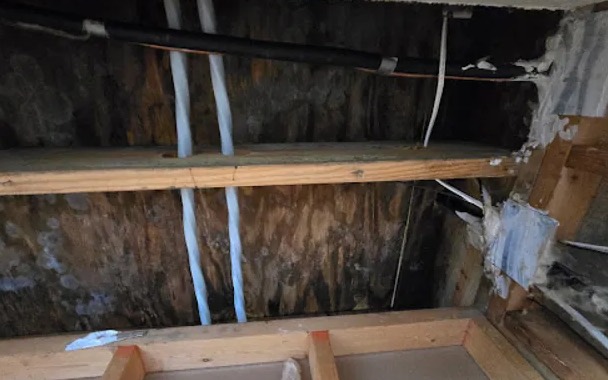
Dark spots on rafters or roof decking mean the wood has stayed damp for days or longer.
Peeling Paint on Ceilings or Walls
Paint that peels or blisters on upstairs ceilings and walls often has water behind it.
Wet or Damp Attic Insulation
Insulation that feels damp, looks dark or has packed down in one area has absorbed water.
High Utility Bills Unexpectedly
Wet insulation loses its insulating value, so energy bills can rise after an attic leak.
How Attic Water Removal Works in Wrentham
Step 1: Source Control and Water Removal
The roof is tarped or the line shut off, and pooled water is removed from the attic floor.
Step 2: Wet Attic Cleanup and Debris Removal
Soaked insulation, wet debris and stored items are cleared so the wood and drywall can dry.
Step 3: Structural Drying and Dehumidification
Air movers and dehumidifiers are set on boards in the attic and run until readings drop.
Step 4: Final Attic Moisture Check
Decking, rafters and the ceiling below are tested to confirm they are dry before repairs.
Leading Origins of Attic Water Damage
Clogged or Disconnected Gutters
Clogged or loose gutters let water back up under the roof edge and into the soffits.
Condensation From Poor Attic Ventilation
Moist air from the house condenses on roof decking when attic ventilation is poor.
Ice Dam Formation on Roof Edges
Ice dams at the roof edge force melting snow back under shingles and into the attic.
Appliance Malfunctions Like Water Heater Leaks
Water heaters located in the attic can leak or fail, flooding the attic floor.
Attic Water Removal for All Property Types in Wrentham
Residential Attic Water Removal
In houses, attic water usually reaches a bedroom or hallway ceiling. Water and wet insulation are removed from above, and the ceiling below is dried or replaced.
Commercial Attic Water Removal
In commercial buildings, water above a drop ceiling soaks tiles and insulation over several rooms. Wet tiles are removed and the plenum space above is dried.
Professional Attic Water Removal Compared to DIY
A roof repair stops new water from getting in, but the wet insulation and decking stay wet. After the repair, have the attic checked for remaining moisture.
Understanding Attic Water Removal Pricing
Tight attic access, blown-in insulation removal and storm-night calls all add to the total for attic water removal in Wrentham.
Access and Attic Complexity
Low headroom and small access hatches make attic work slower than open spaces.
Extent of Water Damage
A leak confined to one bay costs less than water spread across the attic and the rooms below.
Drying Time Required
Dense wood framing can take several days to dry, which adds equipment time.
Does Insurance Cover Attic Water Removal?
Photos, moisture readings and drying logs from local attic drying specialists help support an insurance claim for attic water damage in Wrentham.
The Value of Local Attic Water Removal Experts
Mold Inhibitor Application
Wood that stayed wet can be treated with an antimicrobial after it is dried.
Damage Documentation
Photos, readings and a list of removed materials are kept for insurance.
Advanced Moisture Detection
Moisture meters and thermal cameras find wet wood and insulation that look dry.
Round-the-Clock Attic Water Removal for Wrentham
If water is dripping from a light fixture, shut off that circuit at the panel and keep clear. Then call (617) 404-2753 for help in Wrentham.
Call Now (617) 404-2753Local Attic Water Removal Coverage Area
Besides Wrentham, the specialists remove attic water, wet insulation and soaked ceiling drywall in nearby Franklin, Foxborough and Mansfield.
- Attic Water Removal in Franklin
- Attic Water Removal in Foxborough
- Attic Water Removal in Mansfield
- Attic Water Removal in Walpole
- Attic Water Removal in Medfield
- Attic Water Removal in Cumberland
- Attic Water Removal in Sharon
- Attic Water Removal in Attleboro
- Emergency Damage Restoration in 02093
- Storm Damage Restoration in 02093
- Water Damage Restoration in 02093
- Water Extraction Service in 02093
- Water Leak Detection in 02093
- Water Removal Service in 02093
Attic Water Removal FAQs
What does water damaged attic restoration include after drying?
New insulation, any decking or framing repairs, and ceiling drywall replacement and paint in the room below.
How do professionals dry an attic?
With air movers and dehumidifiers placed on boards across the joists, checking moisture readings daily until the wood is dry.
Is attic flood cleanup different from a small leak?
The steps are the same, but a flooded attic needs more extraction, more insulation removal and usually ceiling replacement.
What is involved in attic water removal?
Stopping the source, removing pooled water, bagging wet insulation, drying the framing and decking, and checking the ceiling below.
How quickly should I deal with water in my attic?
Right away. Water on top of ceiling drywall soaks in and adds weight, and the ceiling can sag or fall within a day.