Franklin, MA · Norfolk County
Basement Water Damage Restoration in Franklin, MABasement Water Extraction & Basement Mold Prevention
Homeowners in Franklin get Basement Water Damage Restoration for emergency basement flood cleanup, basement wall drying and basement mold prevention.
Answered 24/7
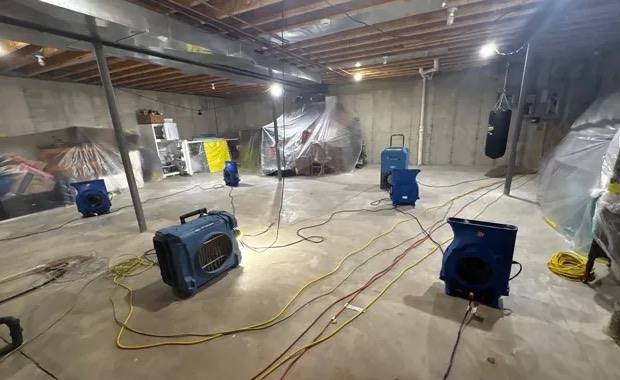
Basement Water Damage Restoration Solutions in Franklin, Massachusetts
In a Franklin home with a basement and a sump pump, a pump that fails during heavy rain lets water rise fast. Furnaces, water heaters, washers and stored belongings all sit at floor level and take the damage first.
Homes in Franklin and nearby Wrentham, Milford and Foxborough with basements deal with seepage, plumbing leaks and sewer backups. Help with basement water damage restoration covers pumping, removal of wet materials and drying of walls and concrete.
The Basement Water Damage Restoration Process in Franklin
Basement Water Extraction
Submersible pumps remove deep standing water, then portable extractors pull water from carpet, pad and the concrete floor.
Basement Mold Prevention
After drying, an antimicrobial can be applied to framing and concrete that were wet, to slow mold on surfaces that stay in place.
Basement Drying Services
Equipment is adjusted each day based on moisture readings until every material reaches its normal level.
Basement Dehumidification
A basement with no moisture problem before the flood may still need a dehumidifier afterward while the concrete dries.
Basement Sewer Backup Cleanup
Porous materials touched by sewage, such as carpet, pad and lower drywall, are removed. Concrete and framing are cleaned and disinfected.
Warning Signs You Need Basement Water Damage Restoration
Sewage Odors or Backups
Sewage smells or water coming up through a floor drain mean the sewer line is backing up.
Efflorescence on Concrete Walls
White, chalky deposits on concrete walls mean water is moving through the concrete and leaving minerals behind.
Standing Water in the Basement
Any standing water on the basement floor needs pumping right away, before it soaks walls and framing.
Rusted Appliances or Pipes
Rust on the water heater, furnace base or pipes points to repeated moisture or past flooding.
How Basement Water Damage Restoration Works in Franklin
Step 1: Initial Assessment and Water Removal
The source and type of water are identified, and standing water is removed right away.
Step 2: Focused Drying of Materials
Walls, framing and the slab are dried with directed airflow, with wet insulation removed.
Step 3: Air Quality Management
Air scrubbers filter dust and odors from removal work while drying continues.
Step 4: Documentation for Restoration
Photos, readings and a list of removed materials are prepared for insurance and rebuilding.
What Causes Basement Water Damage Restoration in Franklin
Window Well Flooding
Window wells without drains or covers fill with rain and leak through basement windows.
Water Heater or Appliance Leaks
Water heaters, washers and utility sinks in the basement can leak or fail without warning.
Foundation Cracks and Leaks
Cracks in foundation walls let groundwater and melting snow seep into the basement.
Clogged Floor Drains
A floor drain blocked by debris cannot carry off water from a leak or overflow, so it spreads across the basement floor.
Basement Water Damage Restoration for All Properties in Franklin
Residential Basement Water Damage Restoration
A sewer backup in a home basement needs contaminated carpet, pad and drywall removed and every hard surface disinfected before drying.
Commercial Basement Water Damage Restoration
In restaurants and stores with basements, sewage backups need fast containment so contamination does not reach food or customer areas.
Basement Water Damage Restoration: Professional Help vs. Doing It Yourself in Franklin
If a small leak left a puddle on bare concrete, a wet vac and a dehumidifier may be enough. Call local restoration pros if water reached drywall, carpet or framing, or if it came from a sewer drain.
Cost Considerations for Basement Water Damage Restoration in Franklin
The cost of basement water damage restoration in Franklin depends on how much water there is, whether it is clean or sewage and how much finished material must be removed.
Affected Square Footage
Larger basements need more extraction, more drying equipment and more days of drying time.
Access Complexity
Narrow stairs, low ceilings and stored contents can make the work slower.
Material Saturation
Finished basements with carpet, drywall and insulation take more removal work than bare concrete.
Does Insurance Cover Basement Water Damage Restoration?
Photos, moisture readings and drying logs from local restoration pros help support an insurance claim for basement water damage in Franklin.
Advantages of Hiring Local Pros in Franklin for Basement Water Damage Restoration
Structural Integrity Assessment
Walls, stairs and framing are checked for damage before work begins in the basement.
Industrial-Grade Equipment
Pumps, extractors and large dehumidifiers remove water much faster than household wet vacs and fans.
Industry Drying Standards
Drying follows industry water damage standards, with readings taken at every visit.
Round-the-Clock Emergency Basement Water Damage Restoration in Franklin
Every hour of standing water in a basement means more drywall and flooring to replace. Call (617) 404-2753 for basement water damage restoration in Franklin.
Call Now (617) 404-2753Basement Water Damage Restoration Near Franklin: Areas Served
Need basement water damage restoration outside Franklin? Service also covers Wrentham, Milford and Foxborough, including emergency help during storms.
- Basement Water Damage Restoration in Wrentham
- Basement Water Damage Restoration in Milford
- Basement Water Damage Restoration in Foxborough
- Basement Water Damage Restoration in Woonsocket
- Basement Water Damage Restoration in Cumberland
- Basement Water Damage Restoration in Medfield
- Basement Water Damage Restoration in Walpole
- Basement Water Damage Restoration in Mansfield
- Emergency Damage Restoration in 02038
- Storm Damage Restoration in 02038
- Water Damage Restoration in 02038
- Water Extraction Service in 02038
- Water Leak Detection in 02038
- Water Removal Service in 02038
Frequently Asked Questions About Basement Water Damage Restoration
Does basement mold prevention need special steps after flooding?
Fast drying is the main step. Wood and concrete that stayed wet can be treated with an antimicrobial once dry.
What causes the most common below-grade leaks in homes?
Sump pump failures, foundation cracks, clogged drain tile, sewer backups and burst pipes in the basement ceiling.
What does below-grade moisture removal include beyond pumping?
Extracting carpet and pad, opening wet walls, running air movers and dehumidifiers, and checking readings until dry.
How is basement restoration documented for insurance?
With photos of the water level and damage, moisture readings, a list of removed materials and daily drying logs.
How long does below-grade drying take after a flood?
Often several days or longer, since concrete and cool basement air dry slowly. Daily readings show progress.