Waltham, MA · Middlesex County
Basement Water Damage Restoration in Waltham, MABasement Mold Prevention & Basement Sewer Backup Cleanup
Basement Water Damage Restoration in Waltham runs from basement water extraction and basement floor water removal to basement dehumidification.
Answered 24/7
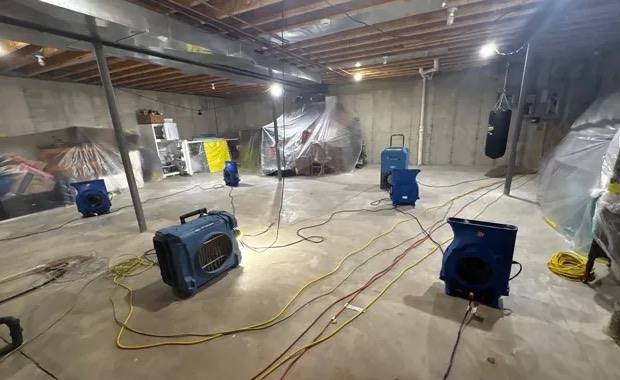
Professional Basement Water Damage Restoration in Waltham, MA
Sewage backups are one of the most common problems in any basement or lower level, including in Waltham. Water coming up through a floor drain or basement toilet carries bacteria and needs a different cleanup than clean water.
Homeowners in Waltham can call (617) 404-2753 day or night when water is rising in the basement. Service also covers Belmont, Newton and Arlington, with the same pumping and drying steps.
Complete Basement Water Damage Restoration for Waltham
Basement Mold Prevention
Fast extraction and drying are the main ways to limit microbial growth in a basement. Surfaces that stayed wet can be treated once dry.
Basement Sewer Backup Cleanup
Porous materials touched by sewage, such as carpet, pad and lower drywall, are removed. Concrete and framing are cleaned and disinfected.
Emergency Basement Flood Cleanup
A flooded basement can damage furnaces, water heaters and stored items quickly. Fast pumping limits how much is lost.
Basement Wall Drying
Finished basement walls hide wet insulation and framing. Removing the bottom of the drywall lets air reach the cavity.
Basement Dehumidification
A basement with no moisture problem before the flood may still need a dehumidifier afterward while the concrete dries.
When to Consider Basement Water Damage Restoration for Your Waltham Home
Mold on Surfaces
Dark spots on drywall, framing or stored boxes mean the area has stayed wet for days.
Sump Pump Failure or Overflow
A sump pump that runs constantly, fails to start or lets the pit overflow puts the basement at risk.
Efflorescence on Concrete Walls
White, chalky deposits on concrete walls mean water is moving through the concrete and leaving minerals behind.
Wet or Stained Basement Walls
Dark, wet patches or tide lines on basement walls show where water seeped in or wicked up.
How Basement Water Damage Restoration Works in Waltham
Step 1: Source Control and Extraction
The pipe is shut off, the sump restarted or the backup stopped, then the water is pumped out.
Step 2: Structural Drying Setup
Lower drywall is removed where soaked, and equipment is placed to dry wall cavities and the slab.
Step 3: Contaminant Removal
Materials touched by sewage or dirty water are removed and hard surfaces are cleaned and disinfected.
Step 4: Monitoring and Completion
Daily readings track drying until every material is normal, then equipment is removed.
Typical Sources of Basement Water Damage in Waltham
Faulty Basement Waterproofing
Old or failed waterproofing on foundation walls lets water through during wet weather.
Water Heater or Appliance Leaks
Water heaters, washers and utility sinks in the basement can leak or fail without warning.
Window Well Flooding
Window wells without drains or covers fill with rain and leak through basement windows.
Stormwater Runoff Into Lower Levels
Heavy rain running off hard ground or a sloped yard can pour down stairwells and under doors into below-grade rooms.
Both Residential & Commercial Basement Water Damage Restoration in Waltham
Residential Basement Water Damage Restoration
Homeowners with older basements may have seepage that returns with each storm. Drying fixes the current damage, and the source is noted for a waterproofing contractor.
Commercial Basement Water Damage Restoration
Apartment and condo buildings with shared basements or lower levels may have laundry and storage below grade. Each area is extracted, dried and recorded for the building manager.
Professional Basement Water Damage Restoration or DIY in Waltham?
Sewage in a basement should not be cleaned up without gloves, boots and eye protection. For any backup through a floor drain or toilet, call local water damage pros.
Factors Affecting Basement Water Damage Restoration Cost in Waltham
Waterproofing or sump pump replacement is a separate cost from water removal and drying. In Waltham, both may be needed to prevent a repeat.
Access Complexity
Narrow stairs, low ceilings and stored contents can make the work slower.
Dehumidification Needs
Large dehumidifiers may need to run longer in below-grade spaces than in upper floors.
Material Saturation
Finished basements with carpet, drywall and insulation take more removal work than bare concrete.
Does Insurance Cover Basement Water Damage Restoration?
Coverage for basement water damage restoration depends on where the water came from and your policy terms. The pros document the damage, and your insurer decides what is covered.
Reasons to Hire Local Pros for Basement Water Damage Restoration in Waltham
24/7 Emergency Response
Help is available day or night when water is rising in the basement.
Detailed Documentation
Photos, readings and drying logs are kept to support your insurance claim.
Water Type Handling
Clean water, gray water and sewage are each handled with the right protection and removal steps.
Waltham Emergency Basement Water Damage Restoration Response
Storm night, weekend or holiday, local water damage pros handle flooded basements in Waltham. Call (617) 404-2753 to get the pumps running and the water out.
Call Now (617) 404-2753Regions Served for Basement Water Damage Restoration Near Waltham
Besides Waltham, the pros handle basement pumping, drying and dehumidification in nearby Belmont, Newton and Arlington.
- Basement Water Damage Restoration in Belmont
- Basement Water Damage Restoration in Newton
- Basement Water Damage Restoration in Arlington
- Basement Water Damage Restoration in Lexington
- Basement Water Damage Restoration in Wellesley
- Basement Water Damage Restoration in Brookline
- Basement Water Damage Restoration in Cambridge
- Basement Water Damage Restoration in Somerville
- Emergency Damage Restoration in 02451
- Storm Damage Restoration in 02451
- Water Damage Restoration in 02451
- Water Extraction Service in 02451
- Water Leak Detection in 02451
- Water Removal Service in 02451
- Emergency Damage Restoration in 02452
- Storm Damage Restoration in 02452
Your Basement Water Damage Restoration Questions Addressed
Is basement floor water removal different from carpet extraction?
Yes. Bare concrete is squeegeed and dried, while carpet and pad need extraction, and the pad is usually replaced.
What equipment is used for below-grade water damage repair?
Submersible pumps, extractors, air movers, large dehumidifiers, moisture meters and air scrubbers for dust and odor.
Should I try below-grade waterproofing myself after flooding?
Sealing a small crack can be a DIY job, but drying must come first, and larger waterproofing work should go to a contractor.
What health risks come with delayed basement flood cleanup?
Standing water and wet materials can support bacteria and microbial growth, and sewage carries contaminants that need disinfection.
Does basement mold prevention need special steps after flooding?
Fast drying is the main step. Wood and concrete that stayed wet can be treated with an antimicrobial once dry.