Wakefield, MA · Middlesex County
Basement Water Extraction in Wakefield, MABasement Mold Prevention Services & Foundation Leak Water Extraction
Basement Water Extraction in Wakefield runs from basement flood water extraction and basement carpet water removal to emergency basement drying.
Answered 24/7
Need Basement Water Extraction in Wakefield, MA?
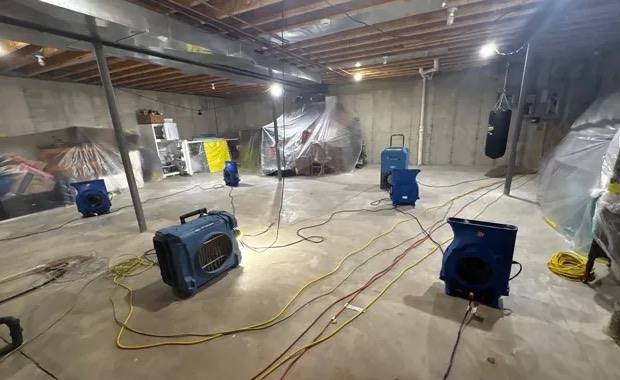
Basements dry slowly. Cool air, little sunlight and thick concrete hold moisture for a long time. In Wakefield, extraction is followed by days of dehumidification to bring the space back to normal.
Homes in Wakefield and nearby Reading, Stoneham and Melrose with basements see flooding from storms, plumbing leaks and sewer backups. Help with basement water extraction covers pump-out, carpet and floor extraction and drying of walls and the slab.
Comprehensive Basement Water Extraction Services in Wakefield
Basement Mold Prevention Services
After drying, an antimicrobial can be applied to studs, sill plates and the slab to slow mold on surfaces that stay in place.
Foundation Leak Water Extraction
Moisture meters show how far seepage spread behind finished walls, so the right sections are opened and dried.
Emergency Basement Drying
Basements need more dehumidification than upper floors. Large units run until walls, framing and slab reach normal readings.
Sump Pump Failure Water Removal
Once the water is out, the sump pit is checked so you know whether the pump, float switch or power caused the failure.
Basement Flood Water Extraction
Deep water is pumped out with submersible pumps, then truck-mounted or portable extractors take water off the floor, carpet and lower walls.
Common Indicators for Basement Water Extraction in Wakefield Homes
Cracked Foundation Walls
Cracks in foundation walls, especially with damp edges, are common entry points for water.
Water Stains on Walls
Tide lines or dark patches on basement walls show where water seeped in or wicked up.
Warped or Buckling Flooring
Laminate or vinyl plank that buckles or lifts at the seams has water trapped underneath.
Mold or Mildew
Dark spots on drywall, framing or stored boxes mean an area has been damp for days.
How Basement Water Extraction Works in Wakefield
Step 1: Water Removal and Pump Out
Power is made safe, then deep water is pumped outside away from the foundation.
Step 2: Detailed Damage Assessment
The type of water, the height it reached and the materials affected are recorded.
Step 3: Structural Drying Procedures
Wet drywall and pad are removed where needed, and walls and slab are dried with directed air.
Step 4: Content Cleanup and Air Scrubbing
Wet belongings are sorted and air scrubbers filter dust and odor while drying continues.
Typical Sources of Basement Water in Wakefield
Appliance Malfunctions and Overflows
Washers, utility sinks and dehumidifier drains in the basement can overflow or leak.
High Water Table Conditions
A high water table puts constant pressure on the slab and walls, pushing water inside.
Heavy Rainfall or Storm Flooding
Heavy rain saturates the soil around the foundation and pushes water into the basement.
Foundation Cracks and Leaks
Cracks in foundation walls and floors let groundwater seep in during wet weather.
Complete Basement Water Extraction for Wakefield Residences and Offices
Residential Basement Water Extraction
In homes, basement extraction protects finished rooms, furnaces, water heaters and stored belongings. Water is pumped out, contents are moved and walls and floors are dried.
Commercial Basement Water Extraction
In commercial buildings, basements often hold mechanical rooms, records and storage. Water is removed quickly so equipment can be checked and business can continue.
The Risks of DIY Basement Water Extraction in Wakefield
Box fans can push damp basement air into the rest of the house. Drying a basement needs dehumidifiers that pull moisture out of the air and concrete.
Investing in Basement Water Extraction for Your Wakefield Home
The pros check water depth, water type and finishes before pricing basement water extraction in Wakefield, then explain what will be removed and dried.
Required Drying Time
Basements dry slowly, and each extra day of equipment adds to the cost.
Mold Prevention Measures
Antimicrobial treatment of framing and concrete that stayed wet is an added step.
Specialized Equipment Needs
Large pumps, extra dehumidifiers or air scrubbers for sewage jobs add to equipment costs.
Does Insurance Cover Basement Water Extraction?
Photos, moisture readings and drying logs from local water extraction pros help support an insurance claim for basement water damage in Wakefield.
Benefits of Local Pros for Basement Water Extraction in Wakefield
Structural Drying Focus
Walls, framing and the slab are dried, not just the floor surface.
Water Extraction First
Pumps and extractors remove as much water as possible before drying begins.
Industry Drying Standards
Extraction and drying follow industry water damage standards, with readings at every visit.
Emergency Basement Flood Response in Wakefield
If water is near outlets, the furnace or the electrical panel, stay out of it. Call (617) 404-2753 for help in Wakefield and wait for power to be made safe.
Call Now (617) 404-2753Basement Water Extraction Serving Wakefield, Reading, Stoneham and Melrose
Help with basement water extraction is also available in communities near Wakefield, including Reading, Stoneham and Melrose, for flooded basements and sewer backups.
- Basement Water Extraction in Reading
- Basement Water Extraction in Stoneham
- Basement Water Extraction in Melrose
- Basement Water Extraction in Saugus
- Basement Water Extraction in Woburn
- Basement Water Extraction in Malden
- Basement Water Extraction in Winchester
- Basement Water Extraction in Lynn
- Emergency Damage Restoration in 01880
- Storm Damage Restoration in 01880
- Water Damage Restoration in 01880
- Water Extraction Service in 01880
- Water Leak Detection in 01880
- Water Removal Service in 01880
Common Basement Water Extraction Questions Answered
What are the risks of delaying wet basement cleanup?
More drywall, flooring and framing to replace, longer drying times, odors and a higher risk of microbial growth.
What should I do while waiting for basement water extraction?
Make power safe if you can, move belongings above the water, avoid sewage and take photos of the damage.
What makes sewage backup cleanup different?
Sewage carries bacteria, so it needs protective gear, containment, removal of porous materials and disinfection before drying.
How is basement water damage documented for insurance?
With photos of the water level and damage, moisture readings, removed materials and daily drying logs.
Does basement water extraction include odor removal?
Removing wet materials and drying usually clears odors. Extra cleaning or air scrubbing is used if a smell remains.