Lawrence, MA · Essex County
Basement Water Removal in Lawrence, MABasement Floor Water Damage & Basement Wall Drying
Homeowners in Lawrence get Basement Water Removal for basement floor water damage, basement water pump out and basement moisture inspection.
Answered 24/7
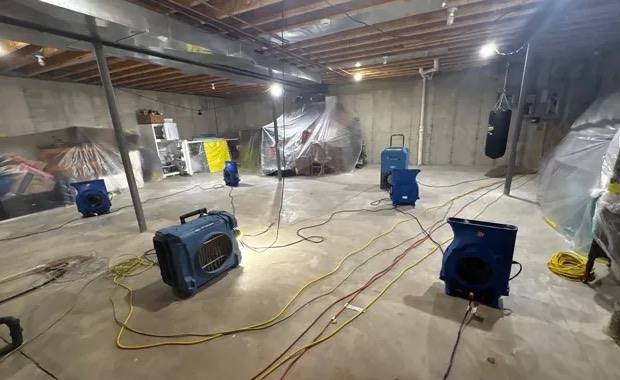
Expert Basement Water Removal in Lawrence, Andover, Haverhill and Tewksbury
In Lawrence, a burst pipe or heavy rain can let water rise fast in a basement. The water usually spreads from the low point across the whole floor and into finished rooms.
Homeowners in Lawrence can call (617) 404-2753 day or night when the basement is taking on water. Service also covers Andover, Haverhill and Tewksbury, with the same pumping and drying steps.
Basement Water Removal Services in Lawrence
Basement Floor Water Damage
Water on a basement floor soaks into carpet pad, laminate seams and the concrete itself. Floor coverings are lifted where needed so the slab can dry.
Basement Wall Drying
Concrete and block walls dry with directed airflow and dehumidification, which pull water out of the masonry.
Basement Water Pump Out
A pump-out removes standing water from the basement with submersible pumps, discharging it outside and away from the foundation.
Basement Moisture Inspection
Moisture meters and thermal cameras check walls, floors and the slab for water that is not visible, including behind finished walls.
Basement Dehumidification
After drying, a household dehumidifier may still be needed to keep basement humidity in a healthy range.
Signs of Basement Water Damage in Lawrence
Soggy or Wet Carpeting
Carpet that feels damp or smells sour is holding water in the pad against the concrete.
Gurgling Sounds From Drains
Gurgling floor drains or slow drains can be an early sign of a sewer line problem.
Sump Pump Failure or Overflow
A sump pit that is full, overflowing or has a pump that will not start means water is about to spread.
Mold or Mildew
Dark spots on drywall, framing or stored items mean the area has stayed wet for days.
How Basement Water Removal Works in Lawrence
Step 1: Emergency Water Extraction
Power is made safe, then pumps and extractors remove standing water from the basement floor.
Step 2: Detailed Moisture Inspection
Meters map wet walls, framing and slab areas, including behind finished walls and under flooring.
Step 3: Drying and Dehumidification
Air movers and large dehumidifiers run continuously, with readings checked every day.
Step 4: Final Verification and Monitoring
Readings are compared to dry areas, and equipment is removed only when the basement tests dry.
Sources of Basement Water Problems
Heavy Rainfall and Storm Flooding
Heavy rain saturates the soil and pushes water through walls, cracks and the floor joint.
High Water Table and Hydrostatic Pressure
A high water table presses groundwater against the slab and walls, forcing it inside.
Sewer Line Backups and Blockages
A blocked sewer line can push wastewater up through basement floor drains and toilets.
Appliance Malfunctions and Overflows
Washers, utility sinks and water softeners in the basement can overflow or leak.
Both Residential & Commercial Basement Water Removal
Residential Basement Water Removal
Older homes with a basement may see seepage with every heavy storm. Water removal handles the current damage, and the entry point is noted for a waterproofing contractor.
Commercial Basement Water Removal
Multi-unit buildings with shared basements need each storage and laundry area pumped, dried and documented for the property manager.
The Risks of DIY Basement Water Removal
Checking appliance hoses and extending downspouts away from the house are good DIY steps before storm season. Once the basement floods, call (617) 404-2753 for help.
Investing in Professional Basement Water Removal
Waterproofing and drainage work are separate costs. In Lawrence, they may be needed to stop the next flood.
Basement Square Footage
Larger basements need more extraction, more drying equipment and more days of drying.
Access and Complexity
Narrow stairs, low ceilings and crowded storage areas make the work slower and longer.
Additional Services
Antimicrobial treatment, contents cleaning and repairs after drying add to the cost.
Does Insurance Cover Basement Water Removal?
Photograph the water level, damaged belongings and appliances before cleanup, and keep receipts for emergency pumping and drying equipment for your adjuster.
Why Lawrence Homeowners Trust Local Pros for Basement Water Removal
Post-Service Moisture Verification
Final readings are recorded before equipment leaves, so you know the basement is dry.
Focus on Drying Outcomes
Drying continues until readings are normal, not just until surfaces look dry.
Moisture Inspection
Meters and thermal cameras find water in walls, floors and slab that looks dry.
Round-the-Clock Basement Water Removal for Lawrence
The faster a basement is pumped out, the more can be saved. Call (617) 404-2753 for basement water removal in Lawrence as soon as you see water.
Call Now (617) 404-2753Basement Water Removal Near Lawrence: Areas Served
Help with basement water removal reaches Andover, Haverhill and Tewksbury, plus other communities around Lawrence, for finished and unfinished basements alike.
- Basement Water Removal in Andover
- Basement Water Removal in Haverhill
- Basement Water Removal in Tewksbury
- Basement Water Removal in Dracut
- Basement Water Removal in Lowell
- Basement Water Removal in Billerica
- Basement Water Removal in Reading
- Basement Water Removal in Chelmsford
- Emergency Damage Restoration in 01840
- Storm Damage Restoration in 01840
- Water Damage Restoration in 01840
- Water Extraction Service in 01840
- Water Leak Detection in 01840
- Water Removal Service in 01840
- Emergency Damage Restoration in 01841
- Storm Damage Restoration in 01841
Common Basement Water Removal Questions Answered
What is involved in basement leak cleanup?
Stopping the leak, extracting the water, drying the floor and walls and checking for hidden moisture under flooring.
Can wet drywall in a basement be saved?
Sometimes, if the water was clean and removed quickly. Soaked or contaminated drywall is cut out above the water line.
Does basement flood cleanup include mold prevention?
Fast drying is the main prevention. Wood and concrete that stayed wet can be treated with an antimicrobial once dry.
What is emergency basement flooding response?
Help any hour to make power safe, stop the source, pump out water and start drying before more damage sets in.
What causes basement floor water damage?
Storm seepage, burst pipes, appliance leaks, foundation cracks and sewer backups through floor drains are the usual sources.