
Clean Water Extraction (Category 1) in Plymouth, MA
Trusted by 165+ Homeowners
- Over 166 5-Star Reviews
- Free Estimates and Quotes
- 100% Satisfaction Guaranteed
- Child, Family & Pet Safe Steps
- 24-Hour Emergency Service
- Fully Licensed & Insured
- Call
- We arrive
- Restored
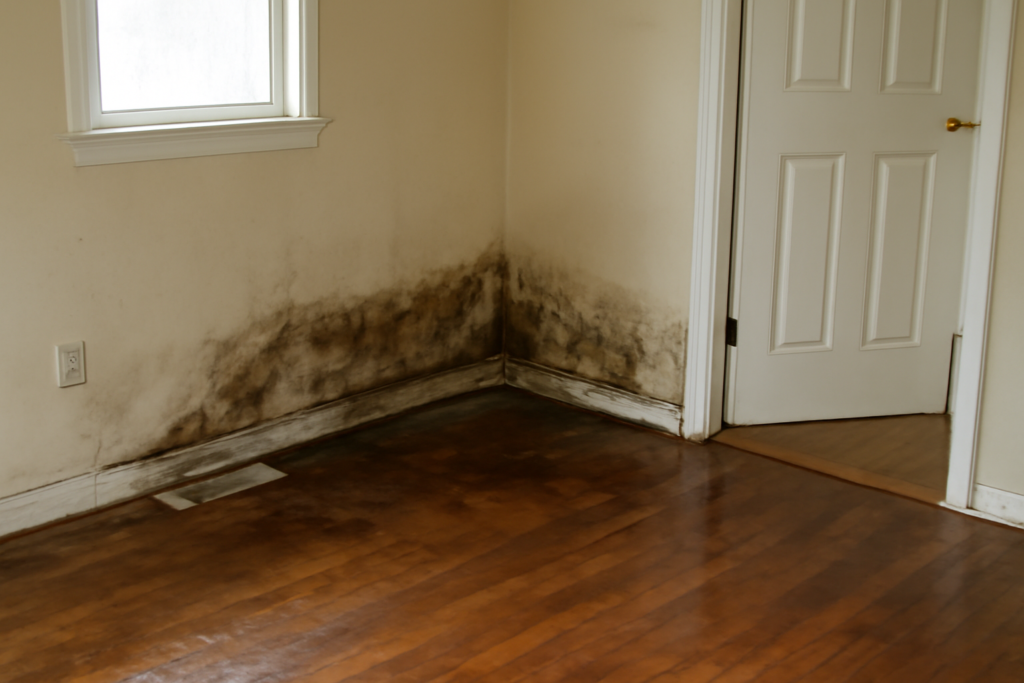
Water Damage You Can’t Ignore: The Dangers of Delayed Clean Water Extraction (Category 1) in Plymouth, MA
Did you know that one inch of standing water can lead to $5,000 in damage within 24 hours? In Plymouth, MA, Category 1 water damage can occur suddenly due to broken pipes appliance malfunctions or storm surges. It’s crucial to address the issue quickly to prevent further water damage and health risks.
Homeowners in the area trust our team for expert Clean Water Extraction (Category 1) services. With over 165+ 5-star reviews we’ve helped many homeowners in Plymouth, MA, and surrounding areas navigate the complexities of water damage restoration.
- We offer fast and effective water removal to reduce damage and prevent further issues.
- We use state-of-the-art equipment to extract water and dry your property efficiently.
- We work closely with your insurance company to ensure a smooth claims process and reduce out-of-pocket costs.
How Clean Water Extraction (Category 1) Works: A Step-by-Step Guide
Our team’s process for Category 1 water damage restoration involves several critical steps to ensure a thorough and effective recovery. We’ll evaluate the damage and create a customized plan to address your specific needs.
Step 1: Water Extraction
Our technicians will extract the water using heavy-duty pumps and vacuum equipment to reduce damage and prevent further issues. This step typically takes 60-90 minutes to complete, depending on the severity of the damage.
Step 2: Drying and Dehumidification
Next, we’ll dry the affected area using industrial-grade dehumidifiers and air movers to prevent mold growth and secondary damage. This step may take 3-5 days to complete, depending on the size of the affected area and the local climate.
Step 3: Sanitizing and Disinfecting
We’ll sanitize and disinfect the affected area using eco-friendly products to remove bacteria viruses and fungi that may have been introduced during the water damage.
Step 4: Insulation and Reconstruction
Finally, we’ll rebuild and restore your property to its original condition, including insulation and reconstruction of any damaged areas.
Don’t wait until the damage is too extensive, call us today to schedule your free on-site assessment and get expert Clean Water Extraction (Category 1) services from our team.
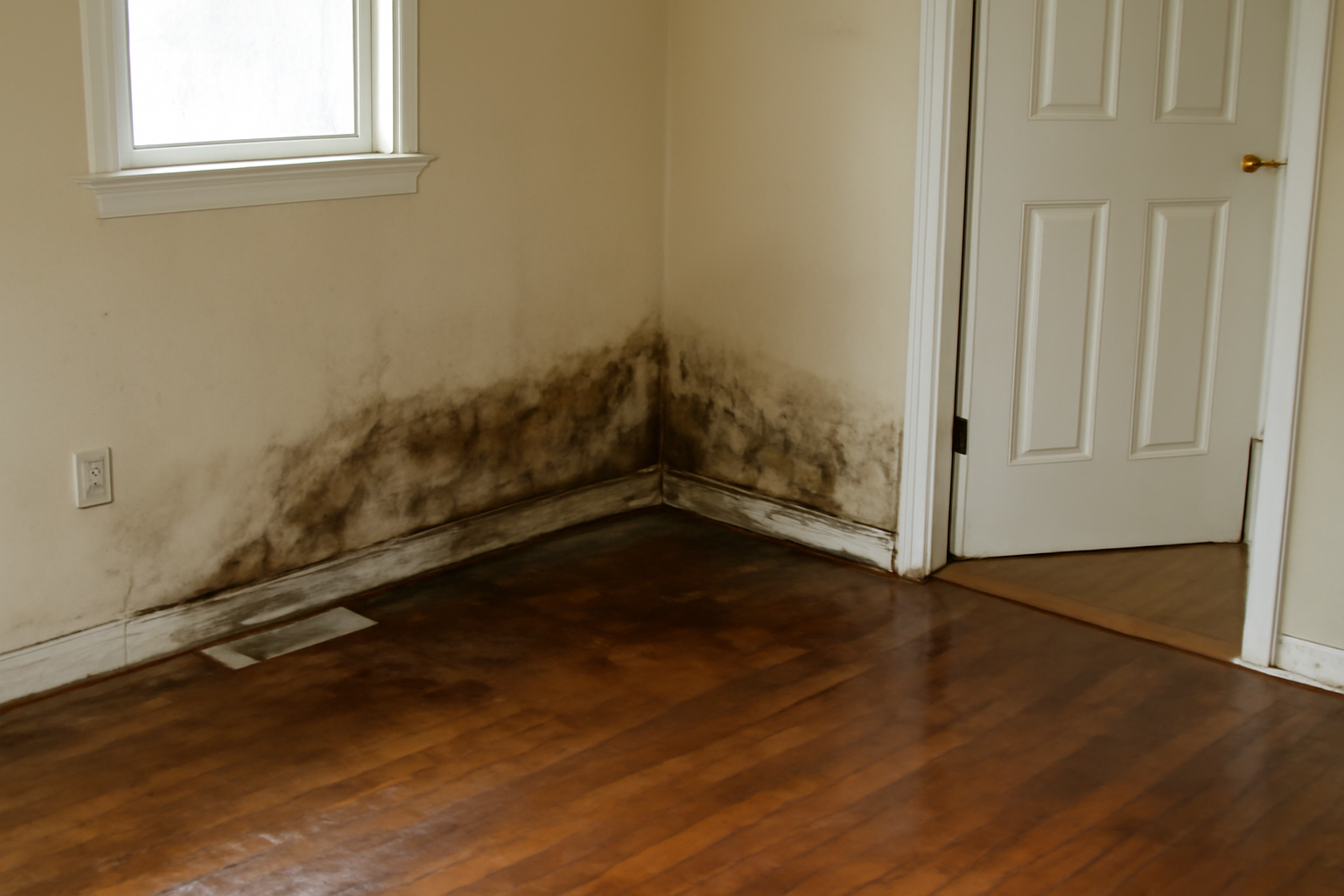
Warning Signs You Need Clean Water Extraction (Category 1)
Ignoring these warning signs can lead to expensive repairs and health risks. Be aware of the following signs and take action quickly:
Musty Odors That Won’t Go Away
Unpleasant odors can show hidden moisture and mold growth. If you notice persistent musty smells, it’s essential to investigate the source and address the issue before it becomes a larger problem.
Warped or Discolored Flooring
Water damage can cause warped or discolored flooring which can be a sign of underlying issues. Inspect your floors regularly and address any concerns quickly to prevent further damage.
Water Stains on Walls or Ceilings
Water stains can show leaks or water damage behind walls or ceilings. Don’t ignore these signs, investigate and address the issue before it becomes a larger problem.
Clean Water Extraction (Category 1) vs. DIY: When To Call a Professional
| Situation | DIY? | Call a Pro? | Why |
|---|---|---|---|
| Small water spill (less than 10 gallons) | Yes | No | DIY can be effective for small spills. |
| Broken pipe causing significant water damage | No | Yes | Professional help is necessary for large-scale water damage. |
| Water damage affecting multiple rooms or floors | No | Yes | Professional equipment and expertise are required for extensive water damage. |
| Hidden water damage behind walls or ceilings | No | Yes | Professional inspectors can detect hidden water damage. |
| Water damage causing health risks (mold, bacteria, etc.) | No | Yes | Professional sanitizing and disinfecting are necessary to remove health risks. |
| Water damage affecting electrical systems or appliances | No | Yes | Professional help is necessary to ensure safe and effective repairs. |
Don’t risk further damage or health risks, call a professional for Category 1 water damage restoration if you’re unsure about the severity of the issue or the best course of action.
Clean Water Extraction (Category 1) Cost In Plymouth, MA
The cost of Category 1 water damage restoration can vary depending on the severity of the damage, the size of the affected area, and local conditions in Plymouth, MA. Our team will provide a free on-site assessment to find out the extent of the damage and create a customized plan to address your specific needs.
| Service | Typical Price Range | What Affects Cost |
|---|---|---|
| Water Extraction | $500 – $2,500 | Size of affected area, severity of damage |
| Drying and Dehumidification | $1,000 – $5,000 | Size of affected area, local climate |
| Sanitizing and Disinfecting | $500 – $2,000 | Severity of damage, type of contaminants |
| Insulation and Reconstruction | $2,000 – $10,000 | Size of affected area, type of repairs needed |
| Free On-Site Assessment | $0 | Our team will provide a free assessment to find out the extent of the damage. |
Exact pricing will depend on an on-site assessment, and we offer free estimates for all our services. Don’t hesitate to contact us to schedule your assessment and get expert Clean Water Extraction (Category 1) services from our team.
Service Areas Near Plymouth, MA
We serve the following areas: Abington, Brockton, Carver, Dighton, East Bridgewater, Easton, Halifax, Hanover, Hanson, Hingham, Hull, Kingston, Lakeville, Marion, Marshfield, Mattapoisett, Middleborough, Norwell, Pembroke, Plympton, Rochester, Rockland, Scituate, Taunton, Wareham, West Bridgewater, Westport, Whitman.
Common Questions About Clean Water Extraction (Category 1)
Q: What’s the difference between Category 1 and Category 2 water damage?
A: Category 1 water damage is caused by clean water sources, such as broken pipes or appliance malfunctions. Category 2 water damage is caused by contaminated water sources, such as sewage or floodwater. Our team will assess the damage and find out the correct category to ensure effective and safe restoration.
Q: How long does the drying process take?
A: The drying process can take anywhere from 3-5 days to several weeks, depending on the size of the affected area and local climate conditions. Our team will monitor the drying process and adjust our equipment as needed to ensure effective and efficient results.
Q: Can I do the water extraction myself?
A: While it may be possible to extract some water yourself, it’s not recommended. Our team has the necessary equipment and expertise to extract water safely and effectively, preventing further damage and health risks.
Q: Will my insurance cover the costs of water damage restoration?
A: Our team will work closely with your insurance company to ensure a smooth claims process and reduce out-of-pocket costs. We’ll provide detailed documentation and support to help you navigate the insurance process.
Check Our Other Relevant Services
Serving Plymouth, MA And Nearby Areas



