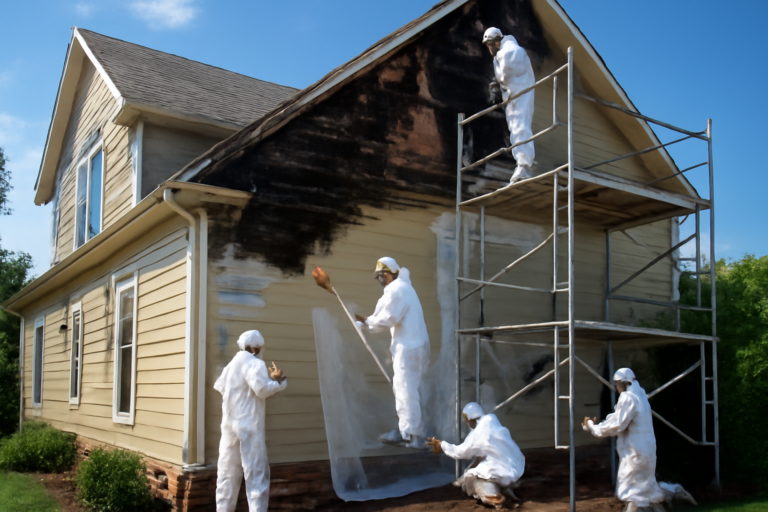
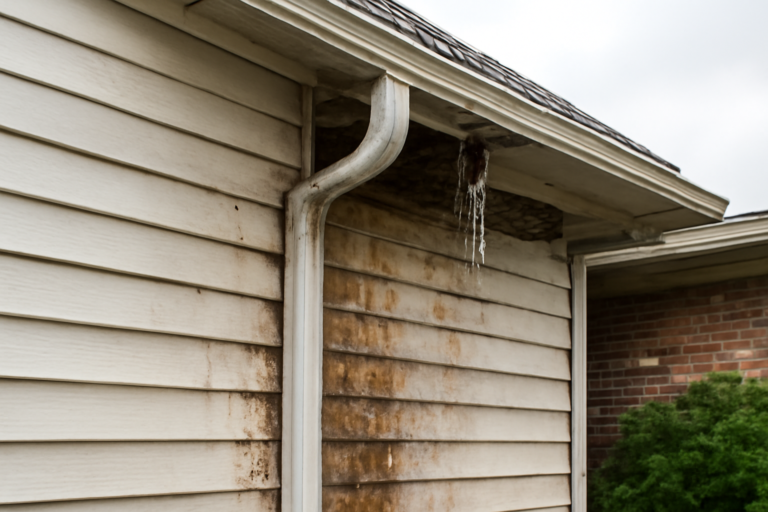
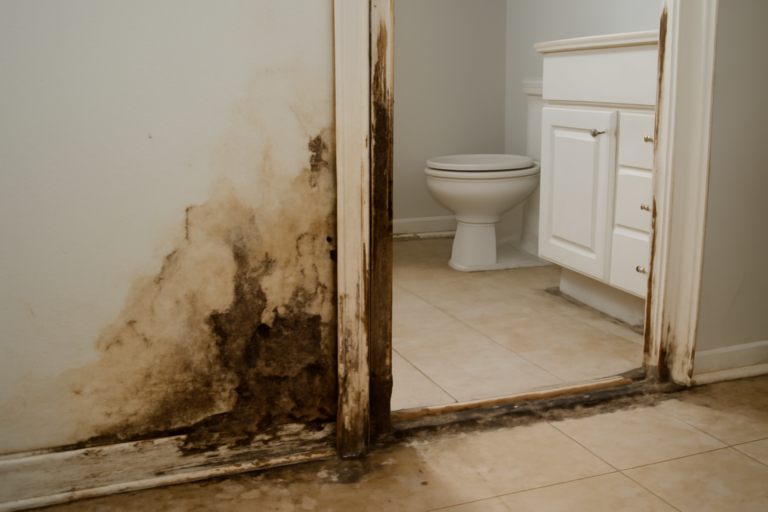
HVAC Leak Water Removal in New Bedford, MA
Trusted by 165+ Homeowners
- Over 166 5-Star Reviews
- Free Estimates and Quotes
- 100% Satisfaction Guaranteed
- Child, Family & Pet Safe Steps
- 24-Hour Emergency Service
- Fully Licensed & Insured
- Call
- We arrive
- Restored

Expert HVAC Leak Water Removal in New Bedford, MA: Your Partner for a Dry Home
We’ve seen it time and time again in the New Bedford, MA area: a burst pipe or faulty HVAC unit can leave homeowners facing a flooded property and a long, stressful road to recovery. Our team has helped countless families navigate this process, and we’re here to guide you through every step of the way. With years of experience handling HVAC leak water removal, we know what it takes to get your home dry and back to normal as quickly as possible.
Our team has earned the trust of over 165 homeowners in the area, who know they can count on us to deliver top-notch service and unparalleled customer satisfaction. Whether you’re dealing with a minor leak or a full-blown flood, we’ll work tirelessly to reduce disruption and get your life back on track.
- Fast Response Times: We’ll be on-site within 60 minutes to assess the damage and start the recovery process.
- Advanced Equipment: Our technicians use state-of-the-art equipment to extract water, dry out your property, and prevent further damage.
- Personalized Service: We’ll work closely with you to understand your unique needs and develop a customized recovery plan.
How Our HVAC Leak Water Removal Service Works
When you call on our team for HVAC leak water removal, you can expect a thorough, step-by-step process designed to get your home dry and safe. We’ll start by assessing the damage, identifying the source of the leak, and developing a plan to mitigate further damage. From there, our technicians will work quickly and efficiently to extract water, dry out your property, and prevent mold growth.
Step 1: Assessment and Planning
We’ll start by assessing the damage and identifying the source of the leak. This helps us develop a customized plan to mitigate further damage and ensure your property is safe.
Step 2: Water Extraction
We’ll use advanced equipment to extract water from your property, including wet/dry vacuums and industrial-grade pumps.
Step 3: Drying and Dehumidification
We’ll use specialized equipment to dry out your property, including dehumidifiers and air movers.
Step 4: Cleaning and Sanitizing
We’ll thoroughly clean and sanitize your property to prevent mold growth and ensure your home is safe and healthy.
Step 5: Restoration and Reconstruction
Finally, we’ll work with you to restore and reconstruct your property to its original state, including repairs to walls, floors, and ceilings.
Don’t wait, call us today to get started on the road to recovery. Our team is here to help you every step of the way.
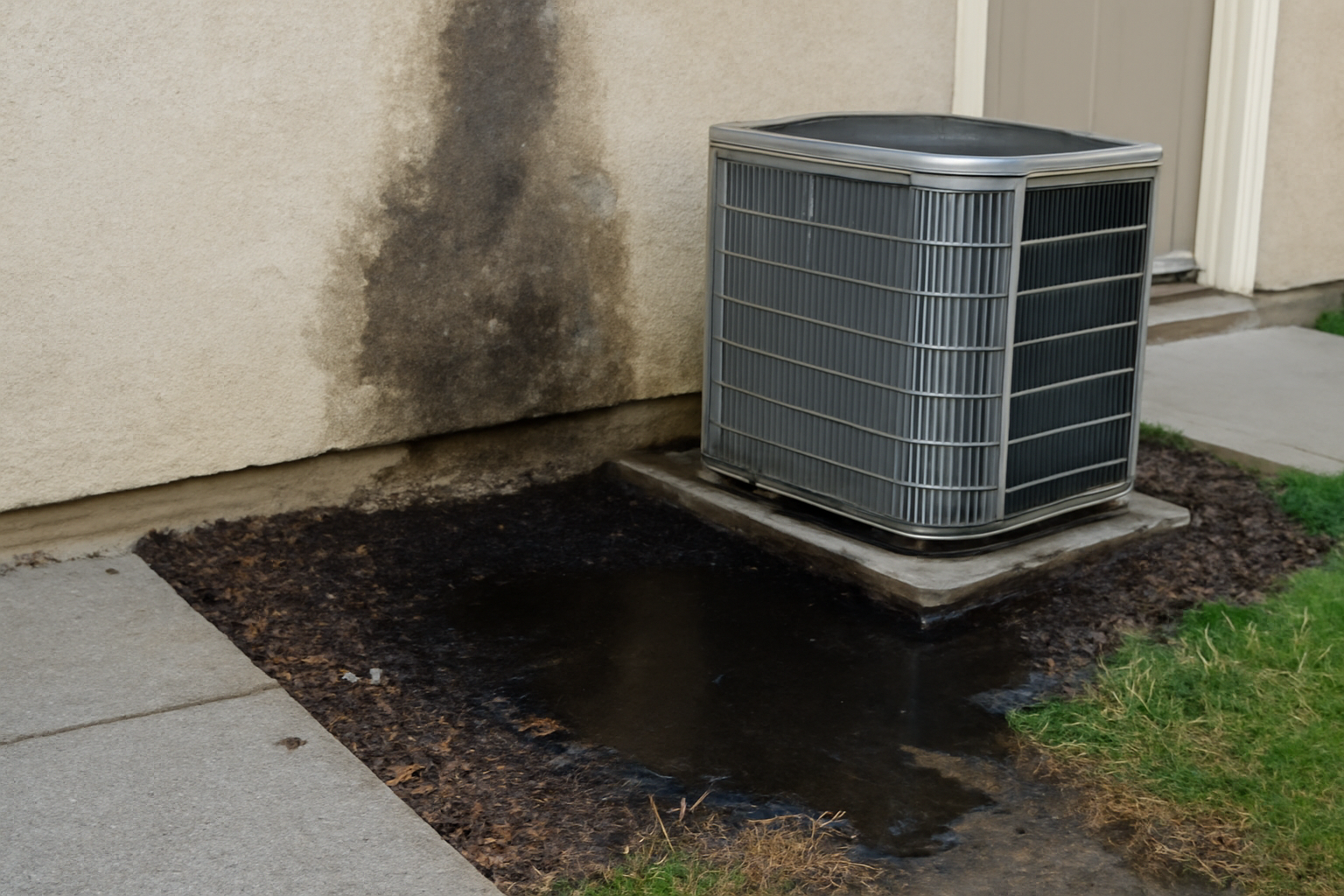
Warning Signs You Need HVAC Leak Water Removal
Catching these signs early can save you thousands of dollars and prevent bigger problems down the line. Don’t ignore the warning signs, call us today to get started on the road to recovery.
Musty Odors That Won’t Go Away
Strong, persistent odors can show mold growth or water damage. Don’t ignore these signs, call us today to get started on the road to recovery.
Water Stains on Your Ceiling or Walls
Water stains can show a leak in your HVAC system or roof. Don’t ignore these signs, call us today to get started on the road to recovery.
Warped or Buckled Flooring
Warped or buckled flooring can show water damage or a leak in your HVAC system. Don’t ignore these signs, call us today to get started on the road to recovery.
Unusual Noises from Your HVAC Unit
Unusual noises from your HVAC unit can show a problem with the system or a leak. Don’t ignore these signs, call us today to get started on the road to recovery.
Increased Energy Bills
Increased energy bills can show a problem with your HVAC system or a leak. Don’t ignore these signs, call us today to get started on the road to recovery.
HVAC Leak Water Removal vs. DIY: When To Call a Professional
| Situation | DIY? | Call a Pro? | Why |
|---|---|---|---|
| Small leak in your HVAC unit | Yes | No | You can likely fix the leak yourself with some basic tools and knowledge. |
| Large flood in your basement or crawlspace | No | Yes | This is a job for a professional, you’ll need specialized equipment and expertise to dry out the area and prevent further damage. |
| Water damage to your walls or ceilings | No | Yes | Water damage needs specialized equipment and expertise to dry out the area and prevent mold growth. |
| Unusual noises from your HVAC unit | No | Yes | Unusual noises can show a problem with your HVAC system or a leak, call a professional to diagnose and fix the issue. |
| Increased energy bills | No | Yes | Increased energy bills can show a problem with your HVAC system or a leak, call a professional to diagnose and fix the issue. |
Don’t risk further damage or safety hazards, call a professional for HVAC leak water removal when you need it most.
HVAC Leak Water Removal Cost in New Bedford, MA
The cost of HVAC leak water removal in New Bedford, MA can vary widely depending on the severity of the damage, the size of the affected area, and local conditions. Here are some estimated price ranges for common sub-services:
| Service | Typical Price Range | What Affects Cost |
|---|---|---|
| Water Extraction | $500 – $2,500 | Severity of damage, size of affected area, and local conditions. |
| Drying and Dehumidification | $1,000 – $5,000 | Size of affected area, number of days required to dry out the area, and local conditions. |
| Cleaning and Sanitizing | $500 – $2,000 | Size of affected area, number of surfaces to clean and sanitize, and local conditions. |
| Restoration and Reconstruction | $2,000 – $10,000 | Severity of damage, size of affected area, and local conditions. |
Exact pricing will depend on an on-site assessment, call us today to schedule a free estimate and get started on the road to recovery.
Service Areas Near New Bedford, MA
We serve the following communities:
Acushnet, Dartmouth, Fairhaven, Fall River, Freetown, Lakeville, Marion, Mattapoisett, New Bedford, Rochester, Somerset, Swansea, Wareham.
Common Questions About HVAC Leak Water Removal
Q: What causes HVAC leaks?
A: HVAC leaks can be caused by a variety of factors, including worn-out seals, corroded pipes, and clogged air filters. Regular maintenance can help prevent these issues.
Q: Can I fix an HVAC leak myself?
A: In some cases, yes, if the leak is small and you have basic knowledge and tools. But, larger leaks or more complex issues need professional expertise.
Q: How long does HVAC leak water removal take?
A: The length of time required for HVAC leak water removal depends on the severity of the damage, the size of the affected area, and local conditions. In some cases, we can have your home dry and safe within 3-5 days.
Q: Is HVAC leak water removal covered by insurance?
A: In many cases, yes, if the leak is caused by a covered event, such as a burst pipe or storm damage. Check your policy to see what’s covered.
Q: How can I prevent HVAC leaks in the future?
A: Regular maintenance, including cleaning and replacing air filters, checking for worn-out seals, and inspecting pipes and ducts, can help prevent HVAC leaks.
Check Our Other Relevant Services
Serving New Bedford, MA And Nearby Areas