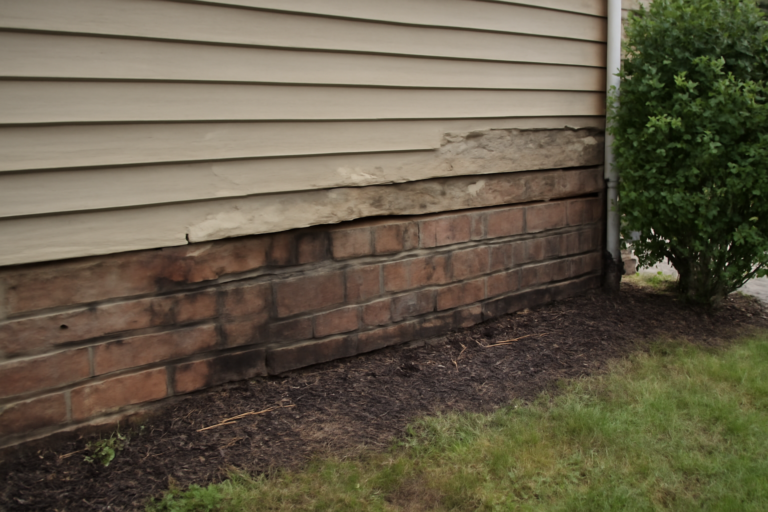
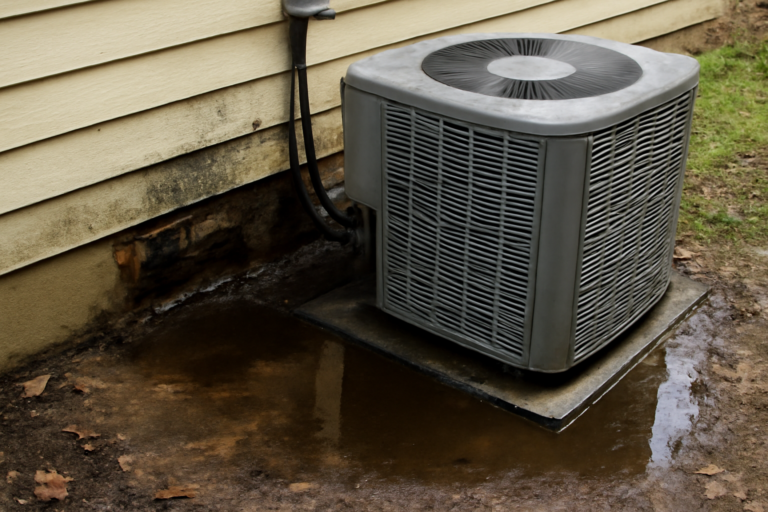
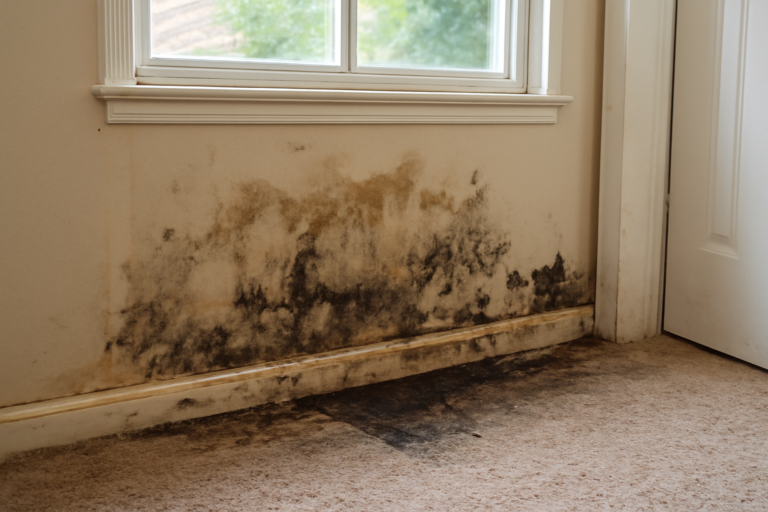
Trusted by 165+ Homeowners
HVAC Leak Water Removal in Warwick, RI
- Over 166 5-Star Reviews
- Free Estimates and Quotes
- 100% Satisfaction Guaranteed
- Child, Family & Pet Safe Steps
- 24-Hour Emergency Service
- Fully Licensed & Insured

Water Damage You Didn’t Know Was Happening in Your HVAC System
About 1 in 5 homes in Warwick, RI, experience water damage from their heating and cooling systems each year, often without the homeowner even realizing it. This is because the damage can be slow to develop and may not be immediately noticeable, but it can cause significant and expensive problems if left unchecked. Our team has seen firsthand how water damage from HVAC systems can sneak up on homeowners, and we’re here to help you stay ahead of the issue. We’ll work with you to identify potential problems before they lead to costly repairs or even safety hazards.
With over 165 five-star reviews from satisfied customers, we’re the go-to team for local homeowners dealing with water damage from their HVAC systems. Our technicians have the training and expertise to quickly and effectively remove water and repair the damage, getting your home back to normal in no time. We’re proud of our reputation in the area, and we’re committed to providing you with the best possible service.
- You’ll save time and money by letting us handle the water removal and repairs.
- Our team is IICRC-certified, meaning we have the training and expertise to handle even the toughest water damage jobs.
- With our 24/7 emergency service, we’ll be there for you whenever you need us, day or night.
How We Remove Water from Your HVAC System
Removing water from your HVAC system is a complex process that needs specialized equipment and training. Our team uses a combination of powerful vacuums and dehumidifiers to extract as much water as possible from your system, and then uses specialized drying equipment to ensure that every last bit of moisture is removed. This process can take anywhere from a few hours to several days, depending on the severity of the damage, but we’ll keep you informed every step of the way. We’ll also provide you with a detailed plan of action and a timeline for the repairs, so you know exactly what to expect.
Step 1: Inspection and Assessment
We’ll start by sending one of our experienced technicians to your home to inspect the damage and assess the situation. This will give us a clear understanding of the extent of the damage and the best course of action to take. We’ll also use specialized equipment to detect any hidden moisture or damage that may not be immediately visible.
Step 2: Water Removal
Once we have a clear understanding of the situation, we’ll use our powerful vacuums and dehumidifiers to extract as much water as possible from your HVAC system. This is typically the most time-consuming part of the process, but it’s also the most critical. We’ll work quickly and efficiently to get the water out, and then move on to the next step.
Step 3: Drying and Dehumidification
After the water has been removed, we’ll use specialized drying equipment to ensure that every last bit of moisture is removed from your HVAC system. This is an critical step in preventing further damage and ensuring that your system is safe to use again. We’ll also use dehumidifiers to remove excess moisture from the air, which will help to speed up the drying process.
Step 4: Repairs and Restoration
Once the drying process is complete, we’ll move on to the final step: repairs and restoration. This will involve replacing any damaged parts, repairing any structural damage, and restoring your HVAC system to its original condition. We’ll also provide you with a detailed plan of action and a timeline for the repairs, so you know exactly what to expect.
Don’t wait until it’s too late to address the water damage in your HVAC system. Contact us today to schedule a consultation and let us help you get back to normal.
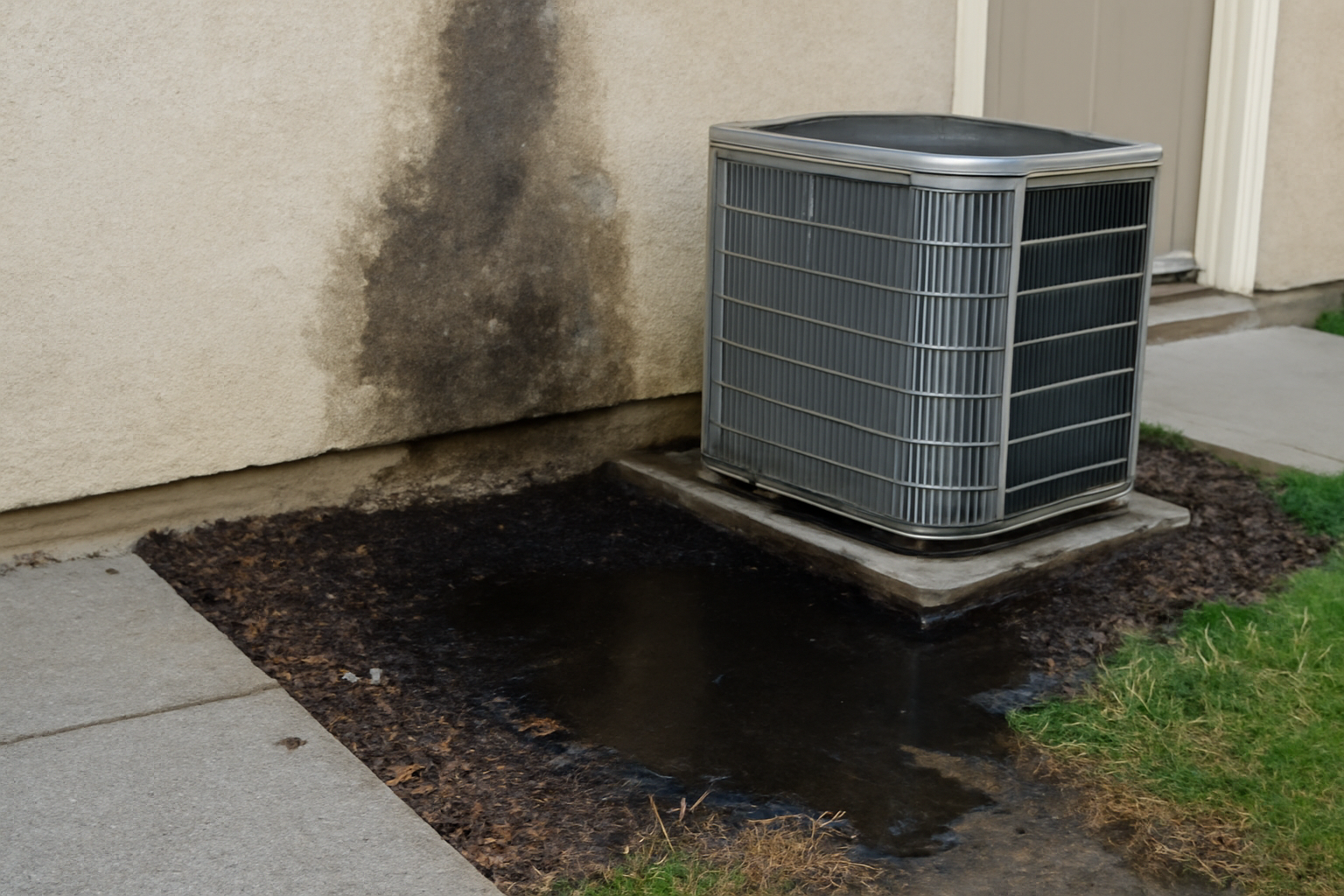
Warning Signs You Need HVAC Leak Water Removal
It’s not always easy to detect water damage in your HVAC system, but there are some warning signs that you should look out for. If you notice any of the following, don’t hesitate to contact us:
Musty Odors That Won’t Go Away
One of the most common signs of water damage in your HVAC system is a musty or mildewy odor that won’t go away. This is usually a sign that there is excess moisture in the system, and it can be a major health hazard. If you notice this odor, it’s essential to act quickly to prevent further damage.
Water Stains on Your Ceiling or Walls
Water stains on your ceiling or walls are another common sign of water damage in your HVAC system. These stains can be a sign that water is leaking from the system, and it’s essential to address the issue quickly to prevent further damage.
Increased Energy Bills
Increased energy bills can also be a sign of water damage in your HVAC system. If your energy bills are higher than usual, it may be a sign that your system is working harder than it should be to heat or cool your home, which can be a sign of excess moisture in the system.
System Leaks or Drips
Finally, if you notice system leaks or drips, it’s essential to act quickly to prevent further damage. These leaks can be a sign that there is a problem with your HVAC system, and it’s essential to address the issue quickly to prevent further damage.
HVAC Leak Water Removal vs. DIY: When To Call a Professional
| Situation | DIY? | Call a Pro? | Why |
|---|---|---|---|
| Small leak in the system that you can fix quickly | Yes | No | Most DIYers can handle small leaks in their HVAC system, but it’s essential to be careful not to make the situation worse. |
| Large leak in the system that needs specialized equipment | No | Yes | Large leaks in the system need specialized equipment and training to fix effectively, and DIYers may make the situation worse. |
| Water damage that has spread to other areas of the home | No | Yes | Water damage that has spread to other areas of the home needs specialized equipment and training to fix effectively, and DIYers may make the situation worse. |
| System that is old or has been neglected | No | Yes | Old or neglected systems need specialized equipment and training to fix effectively, and DIYers may make the situation worse. |
Remember, it’s always better to err on the side of caution with water damage in your HVAC system. If you’re unsure about whether to DIY or call a professional, it’s always best to call a pro. We’ll be happy to help you with any questions or concerns you may have.
HVAC Leak Water Removal Cost In Warwick, RI
The cost of HVAC leak water removal in Warwick, RI, can vary depending on the severity of the damage, the size of the affected area, and local conditions. Here are some estimated costs for common scenarios:
| Service | Typical Price Range | What Affects Cost |
|---|---|---|
| Small leak in the system | $500 – $2,500 | Severity of the leak, size of the affected area |
| Large leak in the system | $2,500 – $10,000 | Severity of the leak, size of the affected area, local conditions |
| Water damage that has spread to other areas of the home | $10,000 – $50,000 | Severity of the damage, size of the affected area, local conditions |
| System that is old or has been neglected | $5,000 – $20,000 | Severity of the damage, size of the affected area, local conditions |
Keep in mind that these are estimates, and the actual cost of HVAC leak water removal in Warwick, RI, will depend on the specifics of your situation. We’ll be happy to provide you with a free estimate after we’ve assessed the damage.
Service Areas Near Warwick, RI
We serve the following nearby communities: Barrington, Bristol, East Providence, Cumberland, Lincoln, North Providence, Scituate, Smithfield, Johnston, Cranston, Providence, Pawtucket, North Attleboro, Attleboro, Seekonk, Rehoboth, Easton, Raynham, Taunton, Norton, Mansfield, Foxborough, Sharon, Wrentham, Plainville, Walpole, Medfield, Dover, Sherborn, Natick, Wellesley, Weston, Needham, Dedham, Canton, Milton, Quincy, Braintree, Randolph, Holbrook, Avon, Randolph, Canton, Sharon, Foxborough, Walpole, Medfield, Dover, Sherborn, Natick, Wellesley, Weston, Needham, Dedham, Milton.
Common Questions About HVAC Leak Water Removal
What is the average cost of HVAC leak water removal in Warwick, RI?
The average cost of HVAC leak water removal in Warwick, RI, can vary depending on the severity of the damage, the size of the affected area, and local conditions. But, the cost can range from $500 to $50,000 or more, depending on the specifics of the job.
How long does HVAC leak water removal take?
The length of time it takes to complete HVAC leak water removal can vary depending on the severity of the damage and the size of the affected area. But, in most cases, the process can take anywhere from a few hours to several days.
Will my insurance cover the cost of HVAC leak water removal?
Yes, many insurance policies cover the cost of HVAC leak water removal, including policies from Allstate, State Farm, and Geico. But, the specifics of your policy will depend on the terms of your contract.
Can I use a DIY solution to fix the leak in my HVAC system?
While it may be tempting to try to fix the leak in your HVAC system yourself, it’s generally not recommended. HVAC systems are complex and can be difficult to repair, and DIY repairs can often make the situation worse. It’s usually best to call a professional to fix the leak and prevent further damage.
What is the best way to prevent HVAC leak water damage?
The best way to prevent HVAC leak water damage is to regularly inspect and maintain your HVAC system, including checking for signs of wear and tear, leaks, and corrosion. You should also consider having your system serviced by a professional every year or two to ensure it’s working properly and efficiently.
Check Our Other Relevant Services

Troy Dyer is a licensed Damage Restoration Expert with over 20 years of hands-on experience in disaster recovery and structural mitigation. As a seasoned industry authority, Troy has dedicated two decades to mastering the technical complexities of environmental safety, providing property owners with the reliable expertise and steady leadership required to navigate high-stress property losses with absolute confidence.
𝗖𝗲𝗿𝘁𝗶𝗳𝗶𝗰𝗮𝘁𝗶𝗼𝗻𝘀: Troy holds elite IICRC credentials, including Water Damage Restoration (WRT), Applied Structural Drying (ASD), Mold Remediation (AMRT), Fire and Smoke Restoration (FSRT), and Odor Control (OCT).
𝗙𝗮𝘃𝗼𝗿𝗶𝘁𝗲 𝗣𝗮𝘀𝘁𝗶𝗺𝗲: When off-site, Troy is an avid saltwater fisherman and classic car enthusiast, hobbies that reflect the patience, precision, and dedication to restoration he brings to every project.
𝗕𝗲𝘀𝘁 𝗣𝗮𝗿𝘁 𝗼𝗳 𝘁𝗵𝗲 𝗷𝗼𝗯: He finds the most fulfillment in being the “calm after the storm,” helping families transition from the shock of damage to the relief of a fully restored home