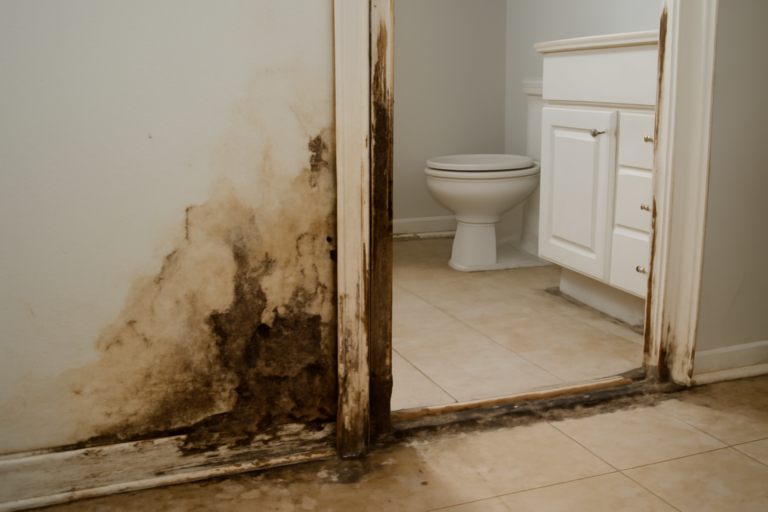
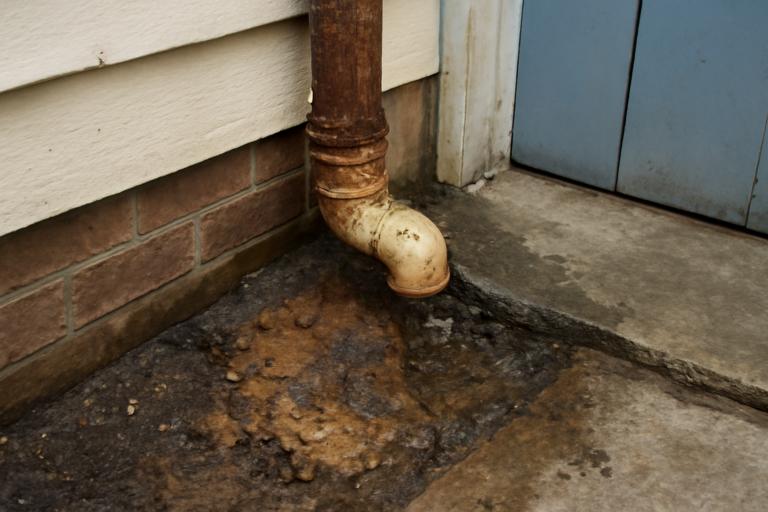
Septic Tank Backup Water Removal in Cumberland, RI
Trusted by 165+ Homeowners
- Over 166 5-Star Reviews
- Free Estimates and Quotes
- 100% Satisfaction Guaranteed
- Child, Family & Pet Safe Steps
- 24-Hour Emergency Service
- Fully Licensed & Insured
- Call
- We arrive
- Restored

Septic Tank Backup Water Removal in Cumberland, RI: A Growing Concern
Every year, Cumberland, RI experiences heavy rainfall and snowmelt that can put a strain on septic systems. When the ground is saturated, water can back up into your home through your drains, causing damage and disruption to your daily life. It’s essential to understand the warning signs and take proactive steps to prevent septic tank backup water removal from becoming a costly and stressful experience. Our team has years of experience helping homeowners in the area recover from septic tank backups, and we’re here to guide you through the process.
With over 165+ five-star reviews, our team has earned the trust of local homeowners who know we deliver results. When you need septic tank backup water removal, you want a team that will show up on time, work efficiently, and get the job done right. That’s exactly what you get with our team.
- We can help you prevent septic tank backups by identifying and addressing potential issues early on.
- Our team uses specialized equipment to remove water and debris from your septic system, reducing damage and reducing the risk of further complications.
- We’ll work with you to develop a customized plan to maintain your septic system and prevent future backups.
How We Handle Septic Tank Backup Water Removal
Our team’s process for septic tank backup water removal is designed to get your home back to normal as quickly as possible. We start by assessing the situation and determining the best course of action. Our technicians use specialized equipment to remove water and debris from your septic system, and we work to identify and address any underlying issues that may have contributed to the backup.
Step 1: Assessment and Planning
We’ll send a technician to your home to assess the situation and find out the best course of action. Our technician will identify the source of the backup and develop a customized plan to remove the water and debris from your septic system.
Step 2: Water Removal
We’ll use specialized equipment to remove the water from your septic system, reducing damage and reducing the risk of further complications. Our technicians will work efficiently to get the job done right.
Step 3: Debris Removal
Once the water has been removed, our technicians will focus on removing any debris or sediment from your septic system. This is an essential step in preventing further backups and ensuring your septic system functions properly.
Step 4: System Inspection and Maintenance
After the debris has been removed, our technician will inspect your septic system to identify any potential issues that may have contributed to the backup. We’ll work with you to develop a customized plan to maintain your septic system and prevent future backups.
Don’t let a septic tank backup turn into a disaster. Our team is here to help you every step of the way. Contact us today to schedule a consultation and take the first step towards a safer, healthier home.
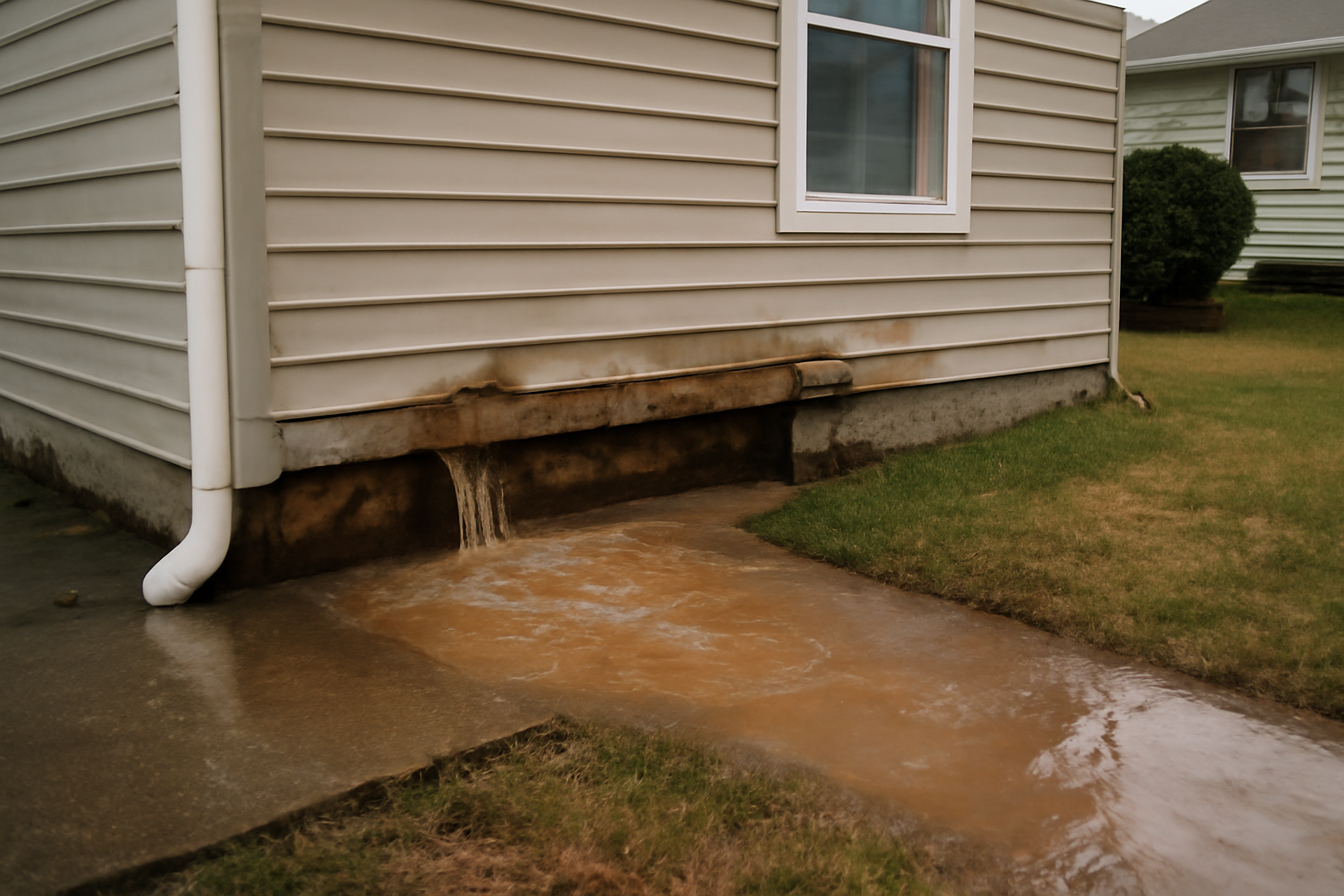
Warning Signs You Need Septic Tank Backup Water Removal
Catching the warning signs of a septic tank backup early can save you money and prevent bigger problems down the line. Here are some common warning signs to look out for:
Musty Odors That Won’t Go Away
Strong, unpleasant odors emanating from your drains or septic system can show a backup is on the way. Don’t ignore these signs, they can be a sign of a serious issue.
Slow Drains or Clogged Toilets
Slow drains or clogged toilets can be a sign that your septic system is struggling to keep up. Don’t wait until it’s too late, address these issues before they become major problems.
Water Backing Up into Your Home
Water backing up into your home through your drains or septic system is a clear sign that something is seriously wrong. Don’t wait until it’s too late, call our team right away.
Greener Grass or Puddles in Your Yard
Greener grass or puddles in your yard can show that your septic system is leaking or malfunctioning. Don’t ignore these signs, they can be a sign of a serious issue.
Unpleasant Sounds or Gurgling Noises
Unpleasant sounds or gurgling noises emanating from your septic system can show a backup is on the way. Don’t ignore these signs, they can be a sign of a serious issue.
Visible Signs of Water Damage
Visible signs of water damage, such as warping or discoloration, can show that your septic system has backed up into your home. Don’t wait until it’s too late, address these issues right away.
Septic Tank Backup Water Removal vs. DIY: When to Call a Professional
| Situation | DIY? | Call a Pro? | Why |
|---|---|---|---|
| Small backup in a single room | Yes | No | DIY is usually fine for small backups, but be sure to follow proper safety precautions and take steps to prevent future issues. |
| Backup affecting multiple rooms or the entire home | No | Yes | For larger backups, it’s best to call a professional to ensure the job is done safely and efficiently. |
| Backup caused by a clogged drain or toilet | Yes | No | Clearing a clogged drain or toilet is usually a DIY job, but be sure to follow proper safety precautions and take steps to prevent future issues. |
| Backup caused by a septic system malfunction or failure | No | Yes | For backups caused by a septic system malfunction or failure, it’s best to call a professional to ensure the job is done safely and efficiently. |
| Backup affecting a crawl space or basement | No | Yes | For backups affecting a crawl space or basement, it’s best to call a professional to ensure the job is done safely and efficiently. |
| Backup caused by heavy rainfall or snowmelt | No | Yes | For backups caused by heavy rainfall or snowmelt, it’s best to call a professional to ensure the job is done safely and efficiently. |
With septic tank backup water removal, it’s always best to err on the side of caution and call a professional. Our team has the expertise and equipment to handle even the toughest backups, and we’ll work with you to develop a customized plan to prevent future issues.
Septic Tank Backup Water Removal Cost in Cumberland, RI
The cost of septic tank backup water removal can vary depending on the severity of the backup, the size of the affected area, and local conditions in Cumberland, RI. Here are some estimated costs for common septic tank backup water removal services:
| Service | Typical Price Range | What Affects Cost |
|---|---|---|
| Small backup in a single room | $500 – $2,000 | Severity of the backup and size of the affected area |
| Backup affecting multiple rooms or the entire home | $2,000 – $5,000 | Severity of the backup and size of the affected area |
| Backup caused by a clogged drain or toilet | $100 – $500 | Severity of the clog and difficulty of access |
| Backup caused by a septic system malfunction or failure | $1,000 – $3,000 | Severity of the malfunction and difficulty of access |
| Backup affecting a crawl space or basement | $1,500 – $4,000 | Severity of the backup and difficulty of access |
| Backup caused by heavy rainfall or snowmelt | $1,000 – $3,000 | Severity of the backup and difficulty of access |
Keep in mind that these are estimated costs, and the actual price may vary depending on the specifics of your situation. Our team will provide a free estimate and work with you to develop a customized plan to prevent future issues.
Service Areas Near Cumberland, RI
We serve the following nearby communities: Barrington, Bristol, Chepachet, Clayville, Coventry, Cranston, Cumberland, East Greenwich, East Providence, Exeter, Foster, Glocester, Greene, Greenville, Harmony, Harrisville, Hope, Hopkinton, Johnston, Lincoln, Little Compton, Middletown, Narragansett, North Kingstown, North Providence, North Smithfield, Pascoag, Pawtucket, Portsmouth, Providence, Scituate, Smithfield, Tiverton, Warwick, West Greenwich, West Warwick, Westerly, Woonsocket.
Common Questions About Septic Tank Backup Water Removal
What causes septic tank backups?
Septic tank backups can be caused by a variety of factors, including heavy rainfall, snowmelt, clogged drains, and septic system malfunction or failure. Our team will work with you to identify the root cause of the backup and develop a customized plan to prevent future issues.
How long does septic tank backup water removal take?
The length of time it takes to remove septic tank backup water depends on the severity of the backup and the size of the affected area. Our team will work efficiently to get the job done right, and we’ll provide you with a clear timeline and expectations.
Is septic tank backup water removal covered by insurance?
It depends on your insurance policy and the circumstances of the backup. Our team will work with you to find out if your insurance covers septic tank backup water removal and help you navigate the claims process.
How can I prevent septic tank backups?
Preventing septic tank backups needs regular maintenance and inspections. Our team will work with you to develop a customized plan to maintain your septic system and prevent future issues.
Check Our Other Relevant Services
- Hardwood Floor Water Extraction in Cumberland, RI
- Commercial Water Damage Restoration in Cumberland, RI
Serving Cumberland, RI And Nearby Areas