
Sewage Water Removal in Belmont, MA
Trusted by 165+ Homeowners
- Over 166 5-Star Reviews
- Free Estimates and Quotes
- 100% Satisfaction Guaranteed
- Child, Family & Pet Safe Steps
- 24-Hour Emergency Service
- Fully Licensed & Insured
- Call
- We arrive
- Restored
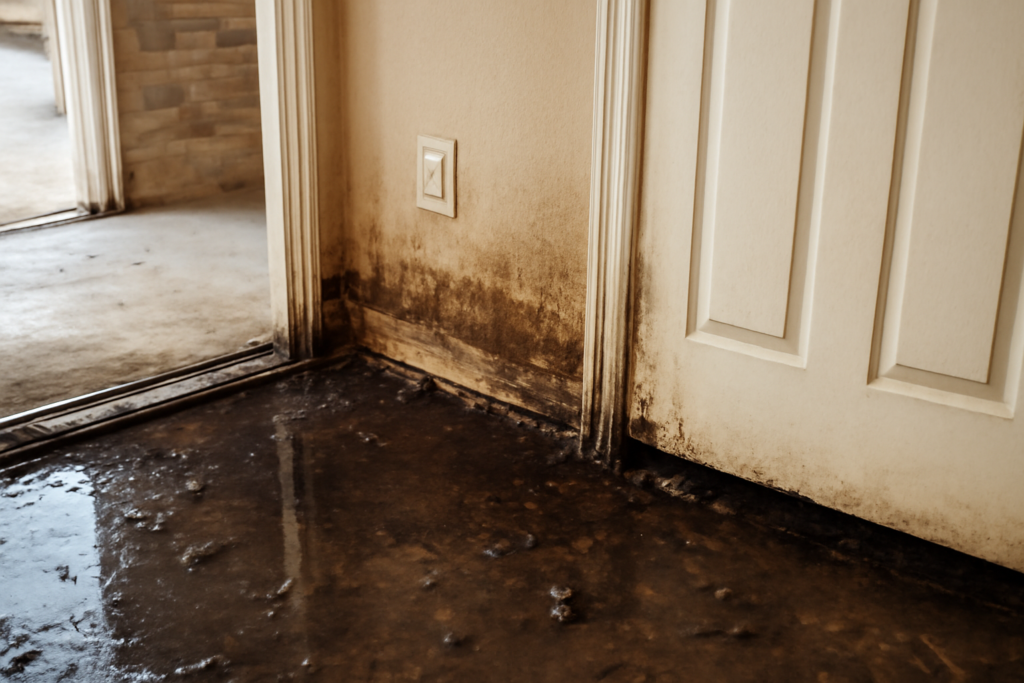
Stagnant Water in Your Basement: The Silent Warning Sign
Imagine walking into your basement and being hit with a pungent smell that makes your eyes water. You’ve been noticing a musty odor for days, but you’ve been too busy to investigate. Now, as you step closer to the source, you see a slow-moving pool of water spreading across the floor. That’s when you know you’ve got a sewage water removal problem on your hands. It’s not just a nuisance, it’s a serious health risk. You need immediate help to prevent further damage and keep your family safe.
We’ve helped over 165+ homeowners in the area recover from sewage water damage. Our team is trusted locally for their expertise and fast response times. You can rest assured that you’re in good hands.
- You’ll save money by addressing the issue quickly, before it becomes a bigger problem.
- You’ll avoid costly repairs and replacements.
- You’ll keep your family safe from potential health risks associated with sewage water.
How Our Team Removes Sewage Water in the Area
With sewage water removal, a proper process is crucial. Cutting corners can lead to more damage, longer drying times, and even health risks. Our team uses the latest equipment and moisture-reading technology to identify the affected areas and develop a customized drying plan.
Step 1: Emergency Response and Containment
Our team rushes to your property within 60 minutes to contain the affected area, preventing further damage and contamination. We use heavy-duty barriers and equipment to seal off the affected space, protecting your belongings and ensuring a safe working environment. Our team will assess the area for any signs of sewage overflow and identify the source of the leak if possible. This step is critical in preventing further damage and protecting your family.
Step 2: Water Extraction and Removal
Using specialized pumps and vacuum equipment, we extract the sewage water from the affected area, removing any visible signs of the damage. We’ll also remove any unsalvageable materials, such as drywall, carpets, and flooring, to prevent further contamination and damage. This step helps prevent the growth of bacteria, mold, and mildew which can exacerbate health risks.
Step 3: Drying and Dehumidification
Next, our team uses specialized drying equipment to remove any remaining moisture from the affected area. This includes air movers, dehumidifiers, and temperature control systems to ensure the area is dry and safe. Our drying protocols are designed to prevent secondary damage and ensure the area is safe for reconstruction.
Step 4: Sanitizing and Disinfecting
To ensure your home is safe and healthy, we sanitize and disinfect the affected area, removing any remaining bacteria, mold, or mildew. Our team uses EPA-registered disinfectants and sanitizers to provide a safe working environment. This step is crucial in preventing the growth of germs and health risks.
Step 5: Reconstruction and Restoration
Finally, our team works with you to restore your home to its original condition. This includes replacing any damaged materials, repairing or replacing flooring, and ensuring your home is safe and healthy. Our team will work closely with you to ensure the reconstruction meets your needs and expectations.
Don’t wait until it’s too late. Contact us today to schedule an emergency response and get your home back to normal. Our team is here to help you every step of the way. With our fast response times and expert technicians, you can trust that your home is in good hands.
Warning Signs You Need Sewage Water Removal
Ignoring these warning signs can lead to costly repairs, health risks, and even more extensive damage. Catching them early saves you time, money, and stress.
Musty Odors That Won’t Go Away
Strong, unpleasant smells in your home can be a sign of sewage water damage. These odors are often caused by bacteria, mold, or mildew growth. If you’ve noticed persistent odors in your basement or crawlspace, it’s time to investigate. Don’t ignore the smell, it’s a warning sign of a bigger issue.
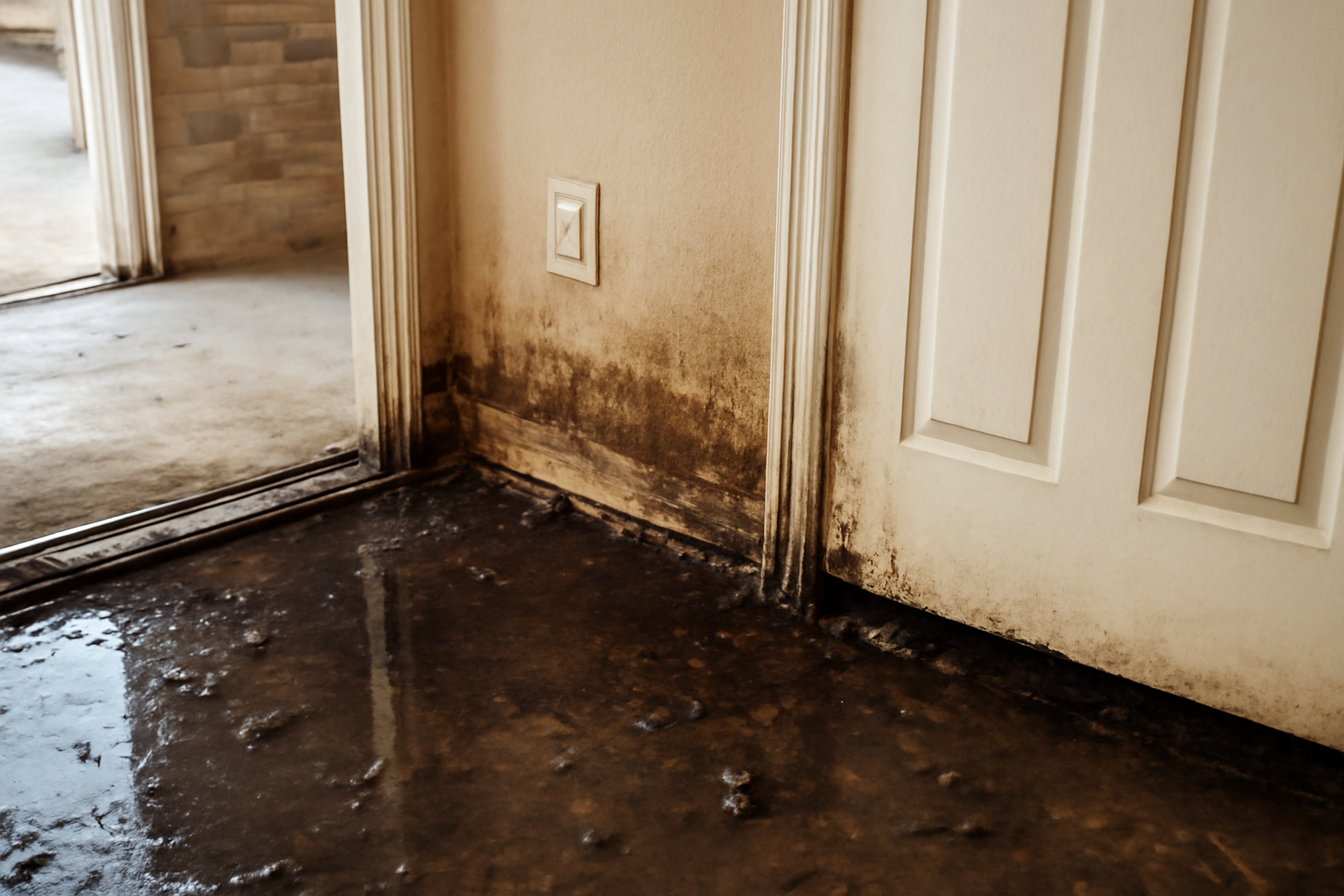
Discoloration and Stains
Water damage can cause discoloration and stains on walls, ceilings, and floors. If you notice unusual stains or discoloration, it’s essential to investigate the source. These stains can be a sign of water damage or sewage overflow.
Water Stains on Ceilings and Walls
Water stains on ceilings and walls can be a sign of a larger problem, such as a burst pipe or sewage overflow. If you notice water spots or stains, don’t delay, it’s time to act. Water can seep into walls and cause further damage.
Unusual Sounds
Banging, gurgling, or hissing sounds in your pipes or walls can show a sewage backup or overflow. If you’ve noticed unusual noises, it’s time to investigate. These sounds can be a warning sign of a bigger issue.
Standing Water
Visible signs of standing water in your home can be a sign of sewage water damage. If you notice water pooling or standing in your basement, crawlspace, or near appliances, it’s time to act. Standing water can lead to mold, mildew, and further damage.
Foundation Cracks and Shifts
Cracks in your foundation or shifting walls can be a sign of water damage or sewage overflow. If you’ve noticed cracks or shifts in your walls or floor, it’s essential to investigate. These signs can show a bigger issue.
Sewage Water Removal vs. DIY: When To Call a Pro
| Situation | DIY? | Call a Pro? | Why |
|---|---|---|---|
| Small water stain on the ceiling | Yes | No | You can likely fix it with a simple patch job and a little paint. |
| Whole basement flooded with sewage water | No | Yes | It’s a health risk and needs professional equipment and expertise to contain and remove safely. |
| Water damage under the sink | Maybe | Maybe | It depends on the extent of the damage and your DIY skills, but a professional assessment is still recommended. |
| Musty odor in the crawlspace | No | Yes | A professional inspection is necessary to identify the source and contain any potential health risks. |
| Water seeping from a pipe in the wall | No | Yes | It’s a sign of a bigger issue that needs professional assessment and repair. |
| Small sewage backup in the bathroom | No | Yes | It’s a health risk and needs professional expertise to contain and remove safely. |
With sewage water removal, it’s always best to err on the side of caution. If you’re unsure or notice any signs of sewage water damage, contact a professional for a thorough assessment and safe removal.
Sewage Water Removal Cost In the Area
The cost of sewage water removal varies based on the severity of the damage, the size of the affected area, and local conditions. These are estimated price ranges, and actual costs may vary.
| Service | Typical Price Range | What Affects Cost |
|---|---|---|
| Emergency Response and Containment | $500 – $2,500 | Severity of damage, size of affected area, and local conditions. |
| Water Extraction and Removal | $1,000 – $5,000 | Size of affected area, type of water, and equipment needed. |
| Drying and Dehumidification | $500 – $2,000 | Size of affected area, type of materials, and equipment needed. |
| Sanitizing and Disinfecting | $200 – $1,000 | Size of affected area and type of disinfectants used. |
| Reconstruction and Restoration | $1,000 – $10,000 | Size of affected area, type of materials, and labor costs. |
Exact pricing depends on an on-site assessment. We offer free estimates to ensure you know what to expect.
Service Areas Near Belmont, MA
Arlington, Cambridge, Somerville, Medford, Everett, Malden, Melrose, Reading, Wakefield, Lynnfield
Common Questions About Sewage Water Removal
Q: What causes sewage water damage?
Sewage water damage is typically caused by a clogged or overflowing sewer line, a burst pipe, or a malfunctioning toilet or washing machine. Our team can help you identify the source and develop a plan to prevent future issues. We use specialized equipment to locate the source of the damage.
Q: How long does sewage water removal take?
The time it takes to remove sewage water depends on the size of the affected area, the severity of the damage, and the equipment needed. Typically, our team can complete the process within 3-5 days but this can vary. We work closely with you to ensure the process meets your needs and expectations.
Q: Is sewage water removal covered by insurance?
It depends on your insurance policy and the cause of the damage. Some policies cover sewage water damage, while others may not. Our team can help you navigate the claims process and ensure you get the coverage you need. We work with your insurance company to ensure a smooth process.
Q: Can I do sewage water removal myself?
It’s not recommended to try sewage water removal yourself. The process needs specialized equipment, expertise, and safety precautions to prevent further damage and health risks. Our team is trained and equipped to handle sewage water removal safely and effectively.
Q: Why is it essential to act quickly in sewage water removal?
The longer you wait, the more extensive the damage becomes, and the higher the risk of health risks and further damage. Our team responds quickly to reduce the impact and ensure a smooth recovery process.
Check Our Other Relevant Services
Serving Belmont, MA And Nearby Areas



