Quincy, MA · Norfolk County
Snow and Ice Storm Damage Cleanup in Quincy, MASnow Melt Water Damage Restoration & Ice Dam Leak Cleanup
Snow and Ice Storm Damage Cleanup in Quincy covers ice dam leak cleanup, snow melt water damage restoration and wet attic insulation removal.
Answered 24/7
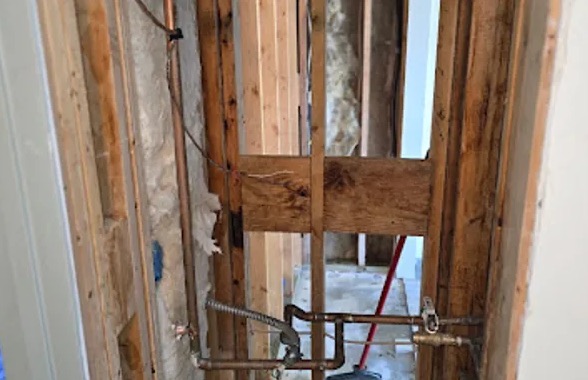
Ice Storm Damage Restoration in Quincy
An ice storm can bring down limbs and load gutters with ice, and a damaged roof can leak into the attic for days. Ceiling stains in Quincy homes are often the first sign.
In Quincy and nearby Braintree, Milton and Weymouth, thaws after heavy snow can push water into attics and lower walls. Local water damage pros extract it and dry the structure.
Snow and Ice Storm Damage Cleanup Services in Quincy
Snow Melt Water Damage Restoration
Snowmelt that seeps in at ground level soaks flooring and the bottom of walls. Extraction comes first, then air movers and dehumidifiers dry the area.
Ice Dam Leak Cleanup
Ice dam leaks show up as stains near exterior walls and ceiling corners. Water is removed from the attic and the wet drywall below is dried or cut out.
Ceiling Water Damage Cleanup
Ceiling leaks during a winter storm often come from the roof or a frozen pipe in the attic. Wet drywall is opened and dried, and the source is found.
Winter Storm Wet Drywall Removal
Drywall soaked by a burst pipe or roof leak wicks water upward. The pros cut out the wet section so the wall cavity and studs can dry.
Winter Storm Water Extraction
Water left on floors during a winter storm soaks into carpet pad and subfloor. The pros extract it before drying begins.
Signs of Ice Storm Damage Indoors
Musty Smell After the Storm
A damp, musty smell days after a storm means water is trapped somewhere it cannot dry on its own.
Bubbling Paint or Soft Drywall
Paint that bubbles and drywall that feels soft show moisture inside the wall, which needs to be found and dried.
Sagging or Bowing Ceilings
A ceiling that sags or bows is holding water from a roof leak or a burst pipe above. Keep clear and have it drained safely.
A Jump in the Water Bill
A water bill that jumps after a cold snap can point to a pipe that split and kept leaking somewhere out of sight.
How Snow and Ice Storm Damage Cleanup Works in Quincy
Step 1: Documenting Winter Storm Damage
Photos, video and moisture readings record the damage before work starts, which helps with the insurance claim.
Step 2: Emergency Water Extraction
Water is removed from every affected room, starting where it is deepest.
Step 3: Opening Wet Walls
Drywall is cut above the wet line so air can reach the studs and wall cavity.
Step 4: Warm, Controlled Drying
The space is kept warm enough for drying while dehumidifiers pull moisture from the structure.
How Ice Storms Cause Water Damage
Wind-Driven Ice and Rain
Winter storm winds push freezing rain into vents, around windows and under damaged siding, letting water into walls.
Frozen and Burst Pipes
Pipes in exterior walls, attics and crawl spaces can freeze during a hard freeze, split and flood the home when they thaw.
Roof Damage From Ice and Limbs
Ice-loaded tree limbs break and fall onto roofs, tearing shingles and opening holes that let water into the attic.
Frozen Supply Lines
Lines to washing machines, ice makers and outdoor spigots are often the first to freeze and split during a winter storm.
Snow and Ice Storm Damage Cleanup for Every Property Type in Quincy
Residential Snow and Ice Storm Damage Cleanup
Homeowners get help with flooded rooms, wet ceilings and soaked attic insulation. Photos and moisture readings are kept for the insurance claim.
Commercial Snow and Ice Storm Damage Cleanup
Offices, stores and warehouses with frozen sprinkler or supply lines get large-scale extraction and drying, with records for the business claim.
Winter Storm Water Cleanup: DIY or Professional?
Household fans and space heaters help a little, but they cannot dry framing or subfloor after a burst pipe. Hidden moisture left behind leads to odor and mold.
Estimating Ice Storm Damage Restoration Costs
Most of the cost comes from extraction, removal of wet insulation and drywall, and the number of days drying equipment runs.
Size of the Wet Area
More rooms and more wet walls mean more extraction time, more equipment and a longer drying period.
Drying Conditions
Cold, damp weather slows drying, so equipment may need to run longer to reach dry readings.
Disposal of Damaged Materials
Wet insulation, carpet, pad and drywall have to be hauled away, and disposal is part of the total.
Does Insurance Cover Snow and Ice Storm Damage Cleanup?
Take your own photos before cleanup starts, keep receipts for emergency repairs and ask your insurer what documentation they need.
Why Call Local Pros for Snow and Ice Storm Damage Cleanup
One Plan From Water to Dry
Extraction, material removal and drying are handled in one plan, so nothing gets missed between steps.
Equipment for Large Leaks
Pumps, truck-mounted extractors, dehumidifiers and air movers handle water that household tools cannot.
Top-Down Drying for Roof Leaks
Attics and ceilings are dried first so water does not drip onto rooms below that are already dry.
Emergency Ice Storm Water Cleanup in Quincy
For winter storm water damage in Quincy, call (617) 404-2753 at any hour. Local water damage pros start with extraction and moisture readings.
Call Now (617) 404-2753Snow and Ice Storm Damage Cleanup Near Quincy: Areas Served
Help with snow and ice storm damage cleanup is also available in communities near Quincy, including Braintree, Milton and Weymouth.
Your Ice Storm Damage Questions Answered
Who repairs the roof after an ice storm?
A roofer handles the roof itself. The pros remove water from the attic and ceilings and dry the structure.
What should I do if a pipe bursts during a freeze?
Shut off the main water valve, turn off power to wet areas if it is safe, move belongings out of the water and call for help.
Does wet attic insulation need to be replaced?
Usually yes. Soaked insulation loses its value, holds water against the ceiling and is hard to dry, so it is removed.
What does snow and ice storm damage cleanup include?
Water extraction, removal of wet insulation and drywall, structural drying and records for your insurance claim after a winter storm.
Is drying harder in cold weather?
Yes. Cold, damp air slows evaporation, so the space is kept warm enough and dehumidifiers run until readings are normal.