Quincy, MA · Norfolk County
Structural Drying & Dehumidification in Quincy, MACrawl Space Dehumidification & Hardwood Floor Drying
Structural Drying & Dehumidification for Quincy homes includes subfloor moisture extraction, building material drying and wet wall cavity drying.
Answered 24/7
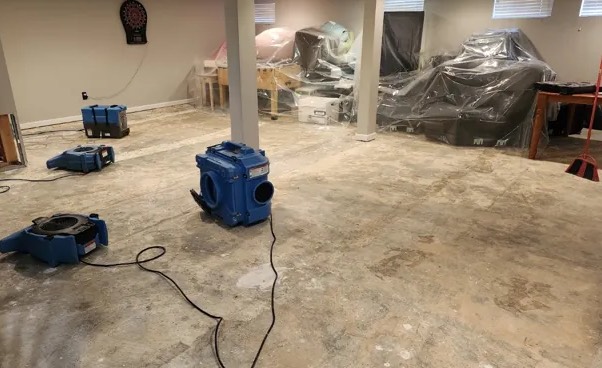
Local Structural Drying & Dehumidification for Quincy Homes
After a flood in Quincy, dampness left in wall cavities or subfloors leads to rot and odors and raises repair costs. Local dehumidification experts respond 24/7 to start extraction and drying.
Water-damaged properties in Quincy and nearby areas like Braintree, Milton and Weymouth often have hidden moisture in wall cavities, subfloors or slabs. Local dehumidification experts dry these areas and can explain each step before work begins.
Complete Structural Drying & Dehumidification Solutions for Quincy
Crawl Space Dehumidification
High humidity in a crawl space damages subfloor framing and affects the air in the house above.
Hardwood Floor Drying
Professional drying can often save hardwood that got wet, if it starts before the boards buckle.
Building Material Drying
Pros dry studs and sheathing in place with controlled drying, which reduces how much must be torn out.
Concrete Slab Drying
Pros draw water out of saturated slabs with specialized systems so new flooring adhesive does not fail later.
Subfloor Moisture Extraction
The experts in Quincy dry wet subfloors before they weaken the whole floor system.
Symptoms Requiring Structural Drying & Dehumidification in Quincy
Soft or Crumbling Drywall
Drywall that feels soft or crumbles has absorbed a lot of water and may need removal.
Cold and Damp Concrete Floors
A concrete floor that stays cold and damp is pulling moisture up from below.
Water Pooling in Crawl Space
Standing water in the crawl space damages floor framing and the foundation over time.
Musty Odors Lingering
A damp smell that lingers points to hidden moisture in wall cavities or under floors.
How Structural Drying & Dehumidification Works in Quincy
Step 1: Source Containment and Extraction
The water source is stopped and all reachable water is extracted before drying begins.
Step 2: Dehumidification System Deployment
Commercial dehumidifiers are set up to pull moisture from the air and building materials.
Step 3: Focused Airflow for Drying
Air movers are aimed to create drying paths, speeding up crawl space and slab drying.
Step 4: Moisture Validation and Monitoring
Moisture is checked daily until materials reach dry standards for their type.
Reasons for Dehumidification in Quincy Homes
Sewage Backup or Overflow
A sewer backup brings contaminated water that must be removed before drying begins.
Natural Flooding Events
Heavy rain or overland flooding can soak large parts of a property at once.
Construction Defects or Leaks
Faulty flashing or poorly installed windows let water in slowly, where it stays hidden.
Poor Ventilation and Humidity
Poor airflow in bathrooms or crawl spaces keeps materials damp month after month.
Quincy Structural Drying & Dehumidification for All Property Types
Residential Structural Drying & Dehumidification
Crawl space and subfloor drying protect a home's foundation and air, and pros record moisture readings for your claim.
Commercial Structural Drying & Dehumidification
Commercial drying covers complex building systems, with photos and moisture readings provided for your business and insurance records.
Professional Structural Drying & Dehumidification or DIY in Quincy
Take photos of the damage for your records before cleanup starts. Professionals then use meters to find all the hidden wet areas and dry them.
Structural Drying & Dehumidification Cost in Quincy, MA
Hardwood floor drying often costs more than drying a concrete slab, and longer equipment run times add to the total.
Secondary Damage Prevention
Faster drying with extra equipment, used to prevent lasting damage, adds to the cost.
Extent of Saturation
A soaked subfloor takes longer to dry and needs more powerful dehumidifiers.
Access and Confinement
Tight crawl spaces and closed ceiling cavities are harder to reach and may need special setups.
Does Insurance Cover Structural Drying & Dehumidification?
Insurance may cover drying when a covered event like a storm caused the damage, while gradual leaks are often excluded. Confirm with your insurer before work begins.
Advantages of Structural Drying & Dehumidification by Local Experts in Quincy
Moisture Remediation Focus
The goal is full drying of hidden materials, not just removing the visible water.
Industrial-Grade Equipment
Large air movers and dehumidifiers dry far faster than household fans and units.
24/7 Emergency Response
Help is available around the clock, so drying can start soon after water gets in.
24/7 Emergency Structural Drying & Dehumidification in Quincy
If you have active flooding, time matters. Call (617) 404-2753 for emergency drying in Quincy, and pros can start water removal day or night.
Call Now (617) 404-2753Structural Drying & Dehumidification Coverage in Quincy, Braintree, Milton and Weymouth
In Quincy and neighboring towns such as Braintree, Milton and Weymouth, the experts dry properties after leaks or floods.
Frequently Asked Structural Drying & Dehumidification Questions
Why is professional dehumidification better than fans alone?
Fans only move air, while dehumidifiers remove moisture from it, which pulls water out of porous materials.
What is the goal of building material drying?
Bringing wet materials back to normal moisture levels so they keep their strength and do not need replacing.
Can dehumidification services help with musty odors?
Yes. Musty odors come from damp materials, and drying them removes the source of the smell.
Can wet drywall be saved with structural drying?
Lightly wet drywall can often dry in place, but heavily soaked panels usually need to be cut out and replaced.
What is wet wall cavity drying?
Small openings or injection systems push dry air inside the wall to dry studs and insulation that fans cannot reach.