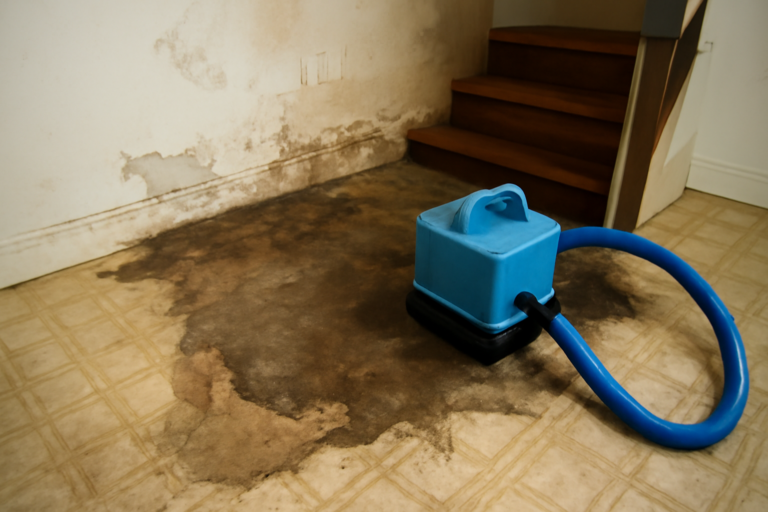
Supply Line Break Water Removal in Quincy, MA
Trusted by 165+ Homeowners
- Over 166 5-Star Reviews
- Free Estimates and Quotes
- 100% Satisfaction Guaranteed
- Child, Family & Pet Safe Steps
- 24-Hour Emergency Service
- Fully Licensed & Insured
- Call
- We arrive
- Restored
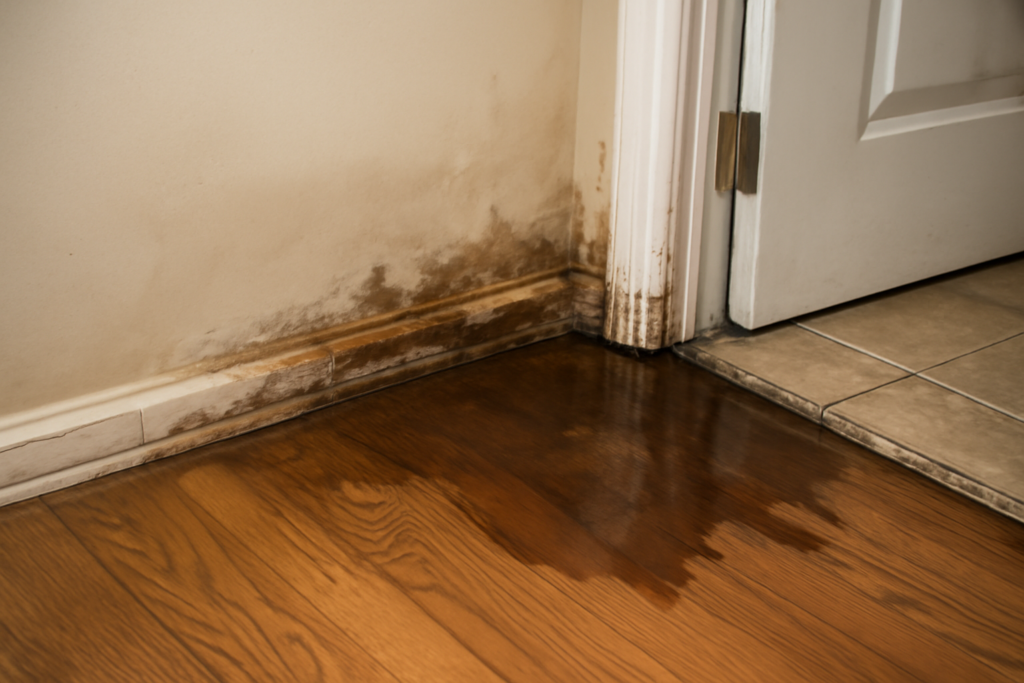
Supply Line Break Water Removal in Quincy, MA: The Hidden Dangers of Frozen Pipes
As a homeowner in Quincy, MA, you’re no stranger to harsh winters and freezing temperatures. The average annual snowfall in the area is over 40 inches, with temperatures often dipping below freezing. But did you know that frozen pipes can cause devastating supply line breaks, leaving you with costly water damage and a huge mess? Don’t let the cold catch you off guard. Be prepared for the worst-case scenario and know the signs of a supply line break.
With over 165 five-star reviews, you can trust our team to handle the supply line break water removal in your home. We’ve seen it all, and we’re here to help you navigate the process with ease. Our expert technicians will arrive quickly to assess the damage and start the water removal process, so you can get back to normal as soon as possible.
- Fast and Reliable Service: We’ll arrive within 60 minutes of your call to start the water removal process.
- State-of-the-Art Equipment: Our crew uses the latest technology and equipment to extract water quickly and efficiently.
- Thorough Drying Process: We’ll use specialized equipment to dry your home completely, preventing further damage and growth of mold.
How We Handle Supply Line Break Water Removal in Quincy, MA
With supply line break water removal, every minute counts. That’s why our team follows a meticulous process to ensure that your home is restored to its original condition. We’ll start by extracting the water from your home, using specialized equipment to remove every last drop. Next, we’ll dry your home completely, using a combination of air movers and dehumidifiers to prevent further damage and growth of mold.
Step 1: Emergency Response
We’ll arrive quickly to assess the damage and start the water removal process. Our team will use specialized equipment to extract the water from your home, reducing further damage and disruption.
Step 2: Water Extraction
We’ll use a combination of pumps and extractors to remove the water from your home. Our team will work efficiently to reduce the time and cost of the extraction process.
Step 3: Drying and Dehumidification
We’ll use specialized equipment to dry your home completely, preventing further damage and growth of mold. Our team will work methodically to ensure that every last drop of water is removed from your home.
Step 4: Monitoring and Cleaning
We’ll monitor your home’s drying process to ensure that it’s complete and safe. Our team will also clean and disinfect all surfaces and equipment to prevent bacterial growth and odors.
Step 5: Final Inspection and Walk-Through
We’ll conduct a final inspection of your home to ensure that it’s completely dry and free of moisture. Our team will also provide a walk-through to ensure that you’re satisfied with the work completed.
Don’t wait until it’s too late, call our team today to schedule a supply line break water removal in Quincy, MA. We’ll work quickly and efficiently to reduce the damage and disruption to your home.

Warning Signs You Need Supply Line Break Water Removal in Quincy, MA
Catching the signs of a supply line break early can save you money and prevent bigger problems down the line. Be on the lookout for these warning signs and don’t wait until it’s too late:
Musty Odors That Won’t Go Away
Strong, musty odors in your home can be a sign of a supply line break. Don’t ignore these odors as they can show a serious water damage issue.
Warped or Buckled Flooring
Warped or buckled flooring can be a sign of a supply line break. Don’t delay in addressing this issue as it can lead to further damage and costly repairs.
Water Stains on Ceilings or Walls
Water stains on ceilings or walls can show a supply line break. Don’t wait to address this issue as it can lead to further damage and costly repairs.
Increased Water Bills
Increased water bills can be a sign of a supply line break. Don’t ignore these changes as they can show a serious water damage issue.
Leaking or Frozen Pipes
Leaking or frozen pipes can be a sign of a supply line break. Don’t wait to address this issue as it can lead to further damage and costly repairs.
Unexplained Water Damage
Unexplained water damage in your home can be a sign of a supply line break. Don’t ignore these changes as they can show a serious water damage issue.
Supply Line Break Water Removal vs. DIY: When to Call a Professional
| Situation | DIY? | Call a Pro? | Why |
|---|---|---|---|
| Small water leak (less than 100 sq. Ft.) | Yes | No | DIY is fine for small water leaks, but be sure to act quickly to prevent further damage. |
| Large water leak (over 100 sq. Ft.) | No | Yes | Large water leaks need professional equipment and expertise to extract and dry the water safely. |
| Water damage in a crawl space or attic | No | Yes | Water damage in crawl spaces or attics needs specialized equipment and expertise to safely dry the area and prevent further damage. |
| Visible mold or mildew growth | No | Yes | Visible mold or mildew growth needs professional remediation to prevent further growth and health risks. |
| Water damage in a commercial property | No | Yes | Water damage in commercial properties needs specialized equipment and expertise to safely dry the area and prevent further damage. |
| Water damage in a historic or antique home | No | Yes | Water damage in historic or antique homes needs specialized equipment and expertise to safely dry the area and prevent further damage to the structure. |
Don’t take the risk of DIY water removal, call our team today to schedule a supply line break water removal in Quincy, MA. We’ll work quickly and efficiently to reduce the damage and disruption to your home.
Supply Line Break Water Removal Cost in Quincy, MA
The cost of supply line break water removal in Quincy, MA will vary based on the severity of the damage, the size of the affected area, and local conditions. Here are some estimated costs for the different stages of the water removal process:
| Service | Typical Price Range | What Affects Cost |
|---|---|---|
| Emergency Response | $0 – $500 | The cost of emergency response will depend on the severity of the damage and the distance from our location. |
| Water Extraction | $500 – $2,500 | The cost of water extraction will depend on the size of the affected area and the amount of water that needs to be removed. |
| Drying and Dehumidification | $500 – $2,000 | The cost of drying and dehumidification will depend on the size of the affected area and the amount of equipment needed to dry the area. |
| Monitoring and Cleaning | $200 – $1,000 | The cost of monitoring and cleaning will depend on the size of the affected area and the amount of equipment needed to clean and disinfect the area. |
| Final Inspection and Walk-Through | $100 – $500 | The cost of the final inspection and walk-through will depend on the size of the affected area and the amount of equipment needed to complete the inspection. |
Exact pricing will depend on an on-site assessment, and free estimates are available. We’ll work with you to create a customized plan that meets your needs and budget.
Service Areas Near Quincy, MA
We serve the following nearby communities: Braintree, Brookline, Canton, Cohasset, Dedham, Hingham, Holbrook, Milton, Norwell, Randolph, Sharon, Scituate, Swampscott, Weymouth, and Wrentham.
Common Questions About Supply Line Break Water Removal in Quincy, MA
Is Water Damage Covered by Insurance?
Yes, water damage is typically covered by insurance, but it’s essential to review your policy to ensure you understand what’s covered and what’s not. Our team will work with you to navigate the insurance process and ensure that you get the coverage you need.
How Long Does Water Removal Take?
The length of time it takes to complete water removal will depend on the severity of the damage, the size of the affected area, and the amount of equipment needed to dry the area. Our team will work efficiently to reduce the time and cost of the water removal process.
Is Mold Removal Included in Water Removal?
No, mold removal is typically a separate process that needs specialized equipment and expertise. Our team will work with you to identify any mold or mildew growth and provide a plan to safely remove it.
How Do I Prevent Supply Line Breaks?
Preventing supply line breaks needs regular maintenance and inspection of your plumbing system. Our team will work with you to identify any potential issues and provide a plan to prevent future supply line breaks.
Do I Need to Be Present During the Water Removal Process?
No, you don’t need to be present during the water removal process, but it’s essential to be available to answer any questions or provide access to the affected area. Our team will keep you informed throughout the process and provide regular updates on the status of the water removal process.
How Do I Prepare for Water Removal?
Preparing for water removal needs clearing the affected area of any furniture, electronics, or other belongings that may be damaged by the water. Our team will work with you to create a plan to safely remove any affected items and prevent further damage.
Serving Quincy, MA And Nearby Areas